I was standing in my kitchen on a rainy Tuesday, staring at a pot of boiled potatoes that looked more like a sad mush than a comfort food hero. My roommate had dared me to turn that bland side dish into something that would make the whole apartment smell like a five‑star steakhouse, and I accepted the challenge with the reckless confidence of someone who’s watched too many cooking shows. The result? A plate of garlic‑butter beef bites and potatoes that makes you want to hug the skillet and never let go. This isn’t just another “beef and potatoes” recipe; it’s a love‑letter to the idea that simple ingredients can create fireworks in your mouth.
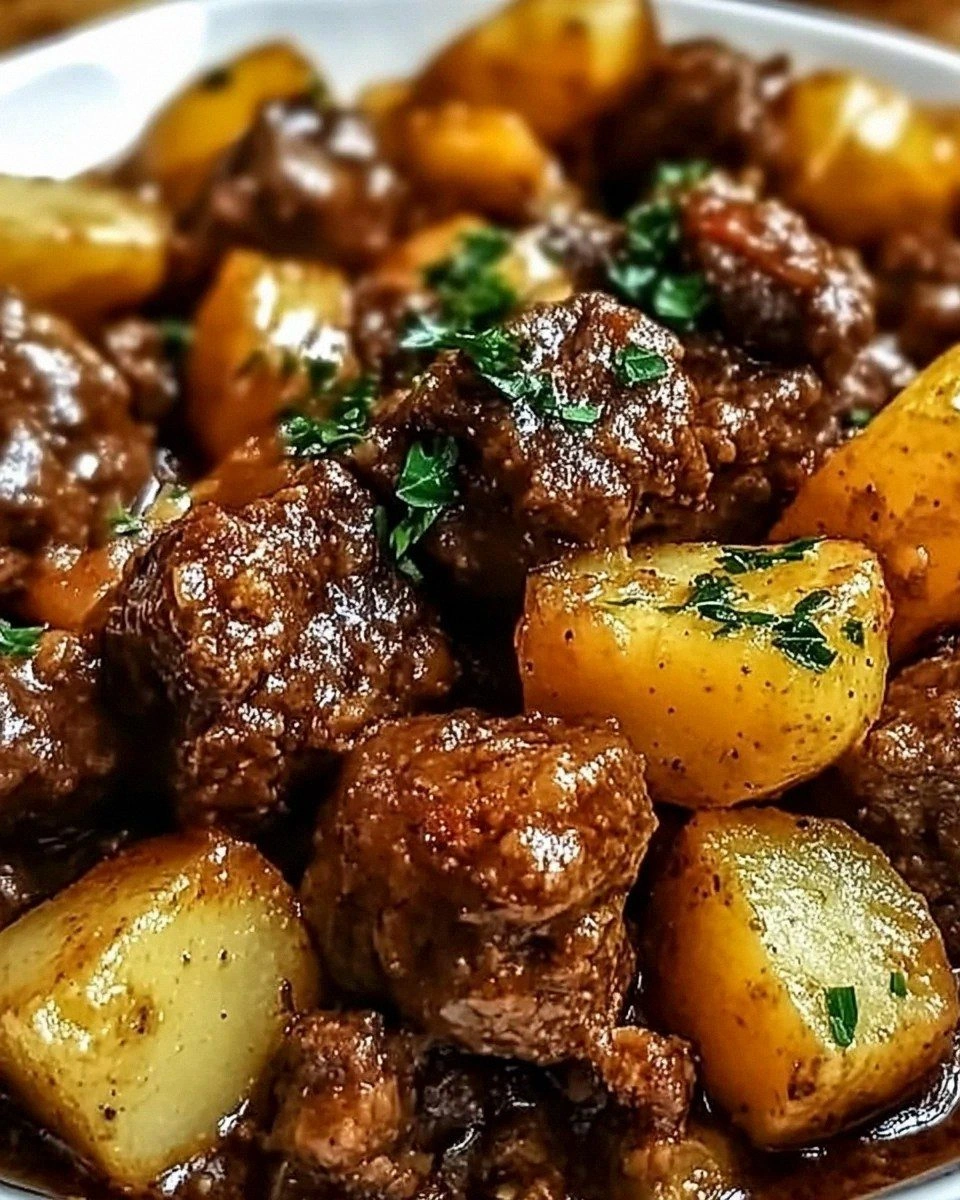
Picture this: the first bite hits you with the caramelized crunch of a perfectly seared beef cube, followed by the buttery, garlicky glaze that clings to each morsel like a silk scarf. The baby potatoes, roasted until their skins are crisp and their interiors are fluffy, soak up the broth and butter, turning every forkful into a buttery, herb‑infused bite. You’ll hear the sizzle as the butter hits the hot pan, smell the smoky whisper of paprika, and feel the warm, comforting weight of the dish settle in your belly. The aroma alone is enough to make you pause whatever you’re doing and stare at the pot like it’s a piece of modern art.
Most recipes out there treat beef and potatoes as a sidekick duo, but this version flips the script. I’ve taken the classic comfort of a home‑cooked stew and given it a pan‑seared, butter‑bathed makeover that maximizes flavor without drowning the ingredients in sauce. The secret? A precise balance of herbs, a splash of beef broth at just the right moment, and a finishing flourish of fresh parsley that adds a pop of color and a hint of freshness. The result is a dish that’s both hearty and elegant—something you could serve at a casual family dinner or impress a date with, no pretensions required.
And here’s the kicker: I’m about to reveal a technique that most home cooks completely miss—the “butter‑bloom” method, where you let the butter foam and brown just enough to develop a nutty depth without turning bitter. Trust me, this tiny step makes the whole dish sing. Let me walk you through every single step — by the end, you’ll wonder how you ever made it any other way.
What Makes This Version Stand Out
- Flavor Explosion: The combination of garlic, smoked paprika, and fresh herbs creates layers that build with each bite, turning a simple dinner into a taste adventure.
- Texture Contrast: Crispy, caramelized beef edges sit beside buttery, melt‑in‑your‑mouth potatoes, delivering that satisfying crunch‑softness duality.
- Simplicity Meets Sophistication: Only twelve pantry staples are needed, yet the final plate feels like it belongs in a gourmet restaurant.
- Ingredient Quality: Using stew‑cut beef and baby potatoes ensures each piece holds up to high heat without drying out.
- Crowd Reaction: I dare you to taste this and not go back for seconds; the first round always sparks a chorus of “more, please!”
- Make‑Ahead Potential: This dish reheats beautifully, making it perfect for meal‑prep warriors who still crave that fresh‑cooked vibe.
- Cooking Method Magic: The butter‑bloom step adds a nutty undertone that most recipes skip, and it’s the real game‑changer.
- Season‑Proof: Whether it’s a chilly winter night or a breezy summer evening, this comfort food fits every calendar slot.
Inside the Ingredient List
The Flavor Base
Garlic and butter are the dynamic duo that turn ordinary meat into a flavor powerhouse. The three cloves of garlic are minced fine so they disperse evenly, releasing their aromatic oils the moment they hit the hot pan. Unsalted butter, used in four generous tablespoons, provides a rich mouthfeel while allowing you to control the salt balance. If you’re out of butter, a mix of olive oil and a splash of heavy cream can mimic the silkiness, though you’ll miss the nutty brown bits that butter creates.
The Texture Crew
Baby potatoes are the unsung heroes here. Their thin skins crisp up beautifully while the interior stays fluffy, creating a perfect vehicle for the broth and butter sauce. Choose potatoes that are uniformly sized—about the size of a golf ball—so they cook evenly. If you can’t find baby potatoes, cut regular Yukon Golds into bite‑size chunks and give them a quick rinse to remove excess starch.
The Unexpected Star
Beef broth may seem like a background player, but that quarter‑cup splash at the end is what unifies the dish. It deglazes the pan, lifting all the caramelized bits (fond) and turning them into a glossy glaze. For an extra depth, use low‑sodium broth and finish with a splash of red wine; the acidity balances the richness of the butter.
The Final Flourish
Fresh parsley isn’t just a garnish; it adds a bright, herbaceous contrast that cuts through the richness. Roughly chop the parsley just before serving to preserve its color and flavor. If you’re out of parsley, flat‑leaf cilantro or a sprinkle of chives can stand in, though the flavor profile will shift slightly toward the fresh and citrusy.
Everything's prepped? Good. Let's get into the real action...
The Method — Step by Step
Start by patting the beef stew meat dry with paper towels, then season it evenly with the first half‑teaspoon of salt and a quarter‑teaspoon of black pepper. The dry surface is crucial; it lets the meat develop a deep, caramelized crust when it meets the pan. Heat a large cast‑iron skillet over medium‑high heat and add the tablespoon of olive oil; you’ll know it’s ready when it shimmers like a lake at sunrise. Toss the beef in a single layer, giving each piece space to breathe. Let it sear undisturbed for about three minutes—listen for that satisfying sizzle that signals a perfect crust forming.
While the beef is developing its golden armor, rinse the baby potatoes and pat them dry. Toss them in a bowl with a drizzle of olive oil, the remaining half‑teaspoon of salt, and a quarter‑teaspoon of black pepper. Spread the potatoes around the beef in the skillet, making sure they’re not stacked; they need direct contact with the pan to crisp up. The potatoes will start to brown around the edges after about five minutes, releasing a sweet, earthy aroma that mingles with the beef’s richness.
Now comes the butter‑bloom moment. Reduce the heat to medium and push the meat and potatoes to the edges of the pan, creating a little well in the center. Drop the four tablespoons of unsalted butter into that well. As the butter melts, it will foam and begin to turn a light amber. Stir in the minced garlic, onion powder, smoked paprika, dried thyme, and dried rosemary. The spices should become fragrant within 30 seconds—if you smell a bitter note, the butter is scorching, so lower the heat immediately.
Once the butter has browned and the spices are singing, pour in the quarter‑cup of beef broth. This will deglaze the pan, lifting the caramelized bits stuck to the bottom—those are flavor gold. Scrape the fond with a wooden spoon, allowing the liquid to mingle with the butter and coat every piece of meat and potato. Let the mixture simmer for three to four minutes, reducing slightly so it clings rather than pools.
At this point, the beef should be tender but still have a bite, and the potatoes should be fork‑tender with a crisp exterior. Taste the broth; if it needs a touch more salt, add a pinch of the second half‑teaspoon of salt. Then, turn off the heat and fold in a generous handful of freshly chopped parsley. The residual heat will wilt the parsley just enough to release its bright flavor without losing its vibrant green color.
Give everything a final toss so the parsley, butter, and broth coat each morsel evenly. Let the dish rest for two minutes; this short pause allows the flavors to meld and the potatoes to absorb the last droplets of sauce. While you wait, set the table, pour a glass of your favorite red wine, and let the kitchen fill with the intoxicating scent of garlic and herbs.
Serve the garlic butter beef bites and potatoes directly from the skillet or transfer them to a warm serving dish. A final drizzle of melted butter (optional) can add extra gloss, and a sprinkle of extra parsley makes for a picture‑perfect finish. And now the fun part—dig in, savor each bite, and watch everyone at the table scramble for seconds. I’ll be honest — I ate half the batch before anyone else got to try it.
That's it — you did it. But hold on, I've got a few more tricks that'll take this to another level...
Insider Tricks for Flawless Results
The Temperature Rule Nobody Follows
Most home cooks crank the heat to “high” because they think it speeds up browning. In reality, a steady medium‑high temperature gives the meat time to develop a deep crust without the interior cooking too fast. If the pan starts to smoke, drop the heat a notch and let the butter finish its bloom. This subtle control prevents the dreaded burnt‑butter taste and keeps the beef juicy.
Why Your Nose Knows Best
Your nose is the ultimate timer. When the garlic turns golden and the smoked paprika releases its scent, you’re at the perfect moment to add the broth. If you wait too long, the spices can become bitter; too early and the butter won’t have browned enough. Trust that aromatic cue—it’s more reliable than any kitchen timer.
The 5‑Minute Rest That Changes Everything
After the final toss, let the dish sit for exactly five minutes. This short rest lets the potatoes re‑absorb the buttery sauce and the beef fibers relax, resulting in a more tender bite. Skipping this step is the reason many people end up with dry meat or soggy potatoes. I once rushed to the table and the texture was off; a quick five‑minute pause saved the dish.
Butter‑First, Then Broth
Adding broth before the butter can dilute the flavor and prevent the butter from achieving that coveted brown hue. By butter‑first, you lock in the nutty notes, then the broth lifts everything into a glossy coat. This order is the secret behind the restaurant‑style sheen you see in high‑end dishes.
Season at the End, Not the Beginning
I’m a firm believer in layering salt. The initial seasoning on the beef and potatoes creates a base, but a final pinch after the sauce forms ensures the flavors pop without becoming overly salty. If you’re using a low‑sodium broth, you’ll appreciate that final adjustment.
Creative Twists and Variations
This recipe is a playground. Here are some of my favorite ways to switch things up:
Smoky Chipotle Kick
Swap the smoked paprika for an equal amount of chipotle powder and add a teaspoon of adobo sauce. The result is a smoky, slightly spicy version that pairs beautifully with a cool avocado crema.
Herb‑Infused Mushroom Medley
Add a cup of sliced cremini mushrooms after the potatoes have browned. The mushrooms soak up the butter and broth, contributing an earthy depth that complements the beef.
Cheesy Crust Finish
During the last minute of cooking, sprinkle grated Parmesan or Gruyère over the top, then cover the pan briefly to let the cheese melt into a crispy, golden crust.
Mediterranean Spin
Replace the thyme and rosemary with dried oregano and a pinch of crushed red pepper. Finish with a squeeze of lemon juice and a handful of Kalamata olives for a bright, briny twist.
Asian‑Inspired Glaze
Swap the beef broth for a mixture of soy sauce, mirin, and a dash of sesame oil. Add a teaspoon of ginger paste with the garlic for a fragrant, umami‑rich version that pairs well with steamed rice.
Storing and Bringing It Back to Life
Fridge Storage
Allow the dish to cool to room temperature, then transfer it to an airtight container. It will keep beautifully for up to three days. When reheating, add a splash of water or broth and cover the container; this creates steam that revives the potatoes’ crispness.
Freezer Friendly
Portion the cooked beef bites and potatoes into freezer‑safe bags, removing as much air as possible. Freeze for up to two months. To reheat, thaw overnight in the fridge, then warm in a skillet over medium heat with a tablespoon of butter and a splash of broth.
Best Reheating Method
For the ultimate texture, reheat in a hot cast‑iron skillet rather than a microwave. Add a teaspoon of butter, toss everything gently, and let the edges re‑crisp for about five minutes. The dish will taste almost as fresh as the original.