I still remember the day I swore off chicken salad forever. It was at a particularly disappointing office potluck where someone had brought what can only be described as mayonnaise soup with mystery meat floating in it. The smell alone sent me running for the hills, and for three years, I avoided chicken salad like it owed me money. Fast forward to last summer when my neighbor Barbara cornered me at a backyard barbecue, insisting I try her "life-changing" chicken salad. I tried every polite excuse in the book, but she's one of those people who simply won't take no for an answer. One bite later, and I was practically begging for the recipe like a teenager asking for concert tickets. The crunch of perfectly toasted pecans, the pop of sweet grapes, the way the dressing coated each piece of chicken without drowning it — it was everything I never knew chicken salad could be.
That recipe became my obsession for the next six months. I made it weekly, tweaking and adjusting, testing different combinations of herbs and textures. My family started hiding when they saw me heading toward the kitchen with a rotisserie chicken in hand. But here's the thing — I cracked the code to what makes chicken salad genuinely incredible, not just edible. It's about understanding that this isn't just chopped chicken mixed with mayo; it's about building layers of flavor and texture that dance together in perfect harmony. The secret lies in treating each component with respect, from properly seasoning the chicken to creating a dressing that's more than just mayonnaise and hope.
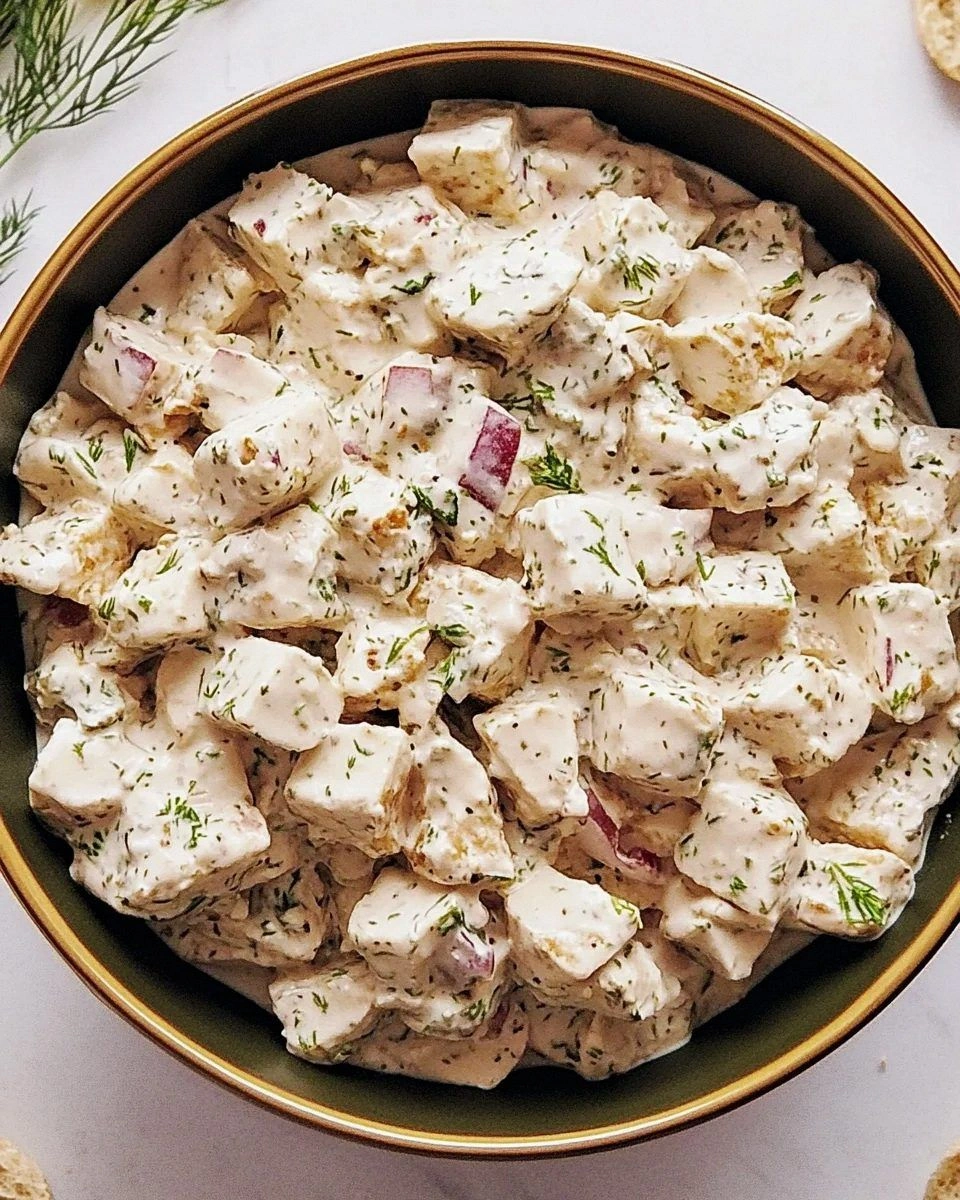
What I'm sharing with you today isn't just another chicken salad recipe — it's the culmination of dozens of experiments, failed attempts, and triumphant discoveries. This version has converted even the most stubborn chicken salad skeptics in my life, including my father-in-law who once claimed he'd rather eat cardboard. The combination of tender, well-seasoned chicken, crisp vegetables, sweet-tart fruits, and a dressing that's both creamy and bright will make you question every sad deli counter version you've ever encountered. Picture yourself pulling this together on a Sunday afternoon, the kitchen filled with the aroma of fresh herbs and lemon zest, knowing you've got lunches sorted for the week ahead.
Let me walk you through every single step — by the end, you'll wonder how you ever made it any other way.
What Makes This Version Stand Out
Perfect Balance: Most chicken salads are either drowning in mayonnaise or so dry they could double as desert sand. This recipe hits that sweet spot where every ingredient is coated but not suffocated, creating a mixture that holds together beautifully without becoming a gloopy mess.
Texture Symphony: We're talking about a party in your mouth where crispy celery, crunchy toasted nuts, and juicy grapes all play their parts perfectly. Each bite delivers a different combination of textures that keeps you coming back for more.
Flavor Depth: Instead of relying on just salt and pepper, we're building flavor with fresh herbs, a touch of Dijon mustard, and a secret ingredient that brightens everything up without being obvious.
Make-Ahead Magic: This actually gets better after a day in the fridge, making it perfect for meal prep or entertaining. The flavors meld together beautifully, and it holds its texture unlike those sad, watery versions.
Crowd-Pleasing Power: I've served this at baby showers, game days, and fancy brunches, and it disappears faster than free samples at Costco. Even people who claim they hate chicken salad end up asking for the recipe.
Quality Ingredients Matter: Using real roasted chicken instead of canned, toasting your own nuts, and taking the time to chop everything properly makes a world of difference. This isn't about being fancy — it's about maximizing flavor.
Flexibility Champion: Once you master the base, you can customize it endlessly. Add curry powder for an Indian twist, swap grapes for dried cranberries, or throw in some curry leaves for a Southeast Asian vibe.
Leftover Transformer: That rotisserie chicken sitting in your fridge? The grapes getting soft in your fruit bowl? Celery that's lost its crunch? This recipe rescues them all and turns them into something spectacular.
Alright, let's break down exactly what goes into this masterpiece...
Inside the Ingredient List
The Foundation Builders
The chicken is obviously the star here, but not all chicken is created equal. I'm talking about properly cooked, well-seasoned chicken that hasn't been dried out into submission. While rotisserie chicken from the store works in a pinch, I prefer to roast my own chicken breasts with a simple rub of salt, pepper, and herbs. This gives you complete control over the seasoning and ensures every piece is perfectly tender. The difference between using properly cooked chicken versus that rubbery stuff from a can is like comparing a fresh summer tomato to one of those pale winter imposters — technically the same thing, but worlds apart in reality.
The Texture Enhancers
Celery brings that essential crunch that prevents chicken salad from becoming baby food, but here's what most people get wrong — they don't remove the strings. Those tough fibers running along the back of celery stalks will haunt your dental work and ruin the eating experience. Take thirty seconds to peel them off with a vegetable peeler, and you'll understand why fancy restaurants serve celery that practically melts in your mouth. Red onion adds a sharp bite that cuts through the richness, but we tame it by soaking in cold water for ten minutes. This removes the harsh edge while keeping that beautiful purple color that makes the salad visually appealing.
The Sweet Surprise
Grapes are what separate the amateur versions from the professional ones, but not just any grapes will do. We're looking for firm, crisp grapes — preferably red or black varieties for their color and sweetness. Cut them in half so they don't roll away when you're trying to scoop, and remove any soft or wrinkled ones that will leak juice and water down your dressing. The burst of sweetness they provide is like finding treasure in each bite, a pleasant surprise that keeps the palate interested.
The Crunch Factor
Pecans are my go-to for their buttery flavor and satisfying crunch, but walnuts work beautifully too. Whatever nut you choose, toast them first — this isn't optional if you want maximum flavor. I buy whole nuts and chop them myself because pre-chopped nuts are often stale and taste like the plastic bag they've been sitting in. The pieces should be varied sizes — some almost powdery for flavor distribution, some larger for dramatic crunch. Think of it as nature's seasoning, adding both texture and a rich, nutty depth that complements the chicken perfectly.
Everything's prepped? Good. Let's get into the real action...
The Method — Step by Step
- Start with properly cooked chicken — if you're using store-bought rotisserie chicken, remove the skin and shred the meat while it's still warm. Warm chicken shreds more easily and absorbs flavors better than cold chicken. If you're cooking your own, season boneless skinless chicken breasts with salt, pepper, garlic powder, and a touch of paprika. Roast at 375°F for 25-30 minutes until the internal temperature reaches 165°F. Let it rest for 10 minutes before shredding — this allows the juices to redistribute, keeping your chicken moist instead of dry and stringy. The difference between starting with properly cooked chicken versus overdone cardboard is the foundation of everything that follows.
- While your chicken is cooking or cooling, prep all your vegetables and fruits. Dice the celery into small, uniform pieces — about 1/4 inch is perfect. You want them small enough to distribute throughout but large enough to provide that satisfying crunch. Halve your grapes and remove any that look questionable. If you've got really large grapes, quarter them instead. Nobody wants to bite into a grape that's so big it takes over the whole bite. Chop your toasted nuts — I like to put them in a plastic bag and smash them with a rolling pin for a mix of sizes that adds both flavor and texture variety.
- Now for the magic moment — creating the dressing that will bring everything together. In a bowl large enough to hold your entire salad, whisk together mayonnaise, Greek yogurt, Dijon mustard, fresh lemon juice, and a touch of honey. The Greek yogurt lightens things up and adds a pleasant tang that cuts through the richness of the mayonnaise. The Dijon provides depth and a subtle sharpness, while the honey balances everything with a touch of sweetness. Season this mixture aggressively with salt and pepper — remember, this has to flavor a whole lot of chicken and vegetables. Taste it and adjust — it should be bright, creamy, and flavorful enough to eat with a spoon.
- Here's where most people go wrong — they dump everything in at once and stir like they're mixing concrete. Instead, add your shredded chicken to the dressing first and fold gently until every piece is coated. This initial coating prevents the vegetables from getting bruised and soggy. Use a light hand here — think of it like you're folding egg whites into a soufflé. The goal is to maintain the integrity of each ingredient while ensuring everything gets properly dressed. Let this chicken-dressing mixture sit for five minutes — this brief rest allows the flavors to start melding.
- Now add your celery and red onion, folding them in just until combined. These vegetables should retain their crunch, so don't overmix. The celery provides that essential fresh crunch that prevents the salad from feeling heavy, while the onion adds a sharp bite that cuts through the richness. If you're sensitive to raw onion, remember we tamed it by soaking, but you can always reduce the amount or substitute with chopped chives for a milder flavor. Everything should be evenly distributed but still distinct — you want to see each component, not a homogeneous mush.
- Time for the grapes and nuts — these are your final additions and should be treated with care. Fold them in gently, trying not to crush the grapes or turn the nuts into powder. The grapes should remain intact so they burst with sweetness when bitten, and the nuts should stay crunchy for textural contrast. This is where you stop and taste — adjust seasoning if needed. Sometimes a pinch more salt or a squeeze of lemon is all it takes to make everything sing. Remember, you can always add more, but you can't take it out.
- Cover the bowl with plastic wrap, pressing it directly onto the surface of the salad to prevent a skin from forming. Refrigerate for at least 30 minutes before serving — this chilling time is crucial for the flavors to meld and develop. The cold temperature also firms up the dressing, helping it cling to all the ingredients. If you're making this for a party or event, you can prepare it up to this point a day ahead. Just give it a gentle fold before serving to redistribute everything, and you might need to add a splash of lemon juice or a spoonful of mayonnaise to refresh it.
- When you're ready to serve, give the salad one final taste and texture check. The dressing should be creamy but not gloppy, the vegetables should be crisp, and the chicken should be tender and well-seasoned. If it seems dry after refrigeration, loosen it with a tablespoon of mayonnaise or Greek yogurt thinned with a touch of lemon juice. Serve it on a bed of lettuce for a light lunch, stuff it into croissants for an elegant sandwich, or simply scoop it into a bowl with some crackers on the side. However you serve it, prepare for people to ask for the recipe — this is the kind of dish that turns casual acquaintances into close friends.
That's it — you did it. But hold on, I've got a few more tricks that'll take this to another level...
Insider Tricks for Flawless Results
The Temperature Rule Nobody Follows
Here's something that separates restaurant-quality chicken salad from the sad stuff sitting in deli cases — temperature management. Your chicken should be warm when you shred it but cooled to room temperature before mixing with the dressing. Warm chicken absorbs flavors better, but hot chicken will break down your mayonnaise and create an oily mess. I spread my shredded chicken on a baking sheet and let it cool for 15-20 minutes, stirring once halfway through. This ensures every piece is perfectly seasoned and ready to marry with your dressing. Room temperature ingredients blend more harmoniously, creating a cohesive mixture where every bite tastes the same.
Why Your Nose Knows Best
Trust your sense of smell throughout this process — it's your most reliable tool for quality control. Fresh ingredients smell vibrant and appealing; anything that smells off will only get worse when mixed with other ingredients. Your toasted nuts should smell buttery and rich, not burnt or stale. The dressing should smell bright and tangy, never sour or off. Even your chicken should smell fresh and savory. If anything in your ingredient lineup doesn't pass the sniff test, swap it out. This recipe is only as good as its worst component, and your nose will never steer you wrong when it comes to ingredient quality.
The 5-Minute Rest That Changes Everything
After you mix your dressing, let it rest for five minutes before adding the chicken. This brief pause allows the flavors to meld and develop, creating a more complex, harmonious taste. The salt dissolves completely, the mustard loses its harsh edge, and the lemon juice mellows into the background. It's like letting a good wine breathe — the transformation is subtle but noticeable. I use this time to prep my vegetables, making the whole process more efficient. Those five minutes turn a good dressing into a great one, and once you try it, you'll never skip this step again.
The Texture Timing Secret
Add your nuts just before serving if you want maximum crunch, or mix them in ahead of time if you prefer them slightly softened. I keep a small container of toasted nuts separate and sprinkle them on individual portions when serving guests. This way, people who love that dramatic crunch get what they want, while those who prefer everything melded together aren't disappointed. For picnics or packed lunches, I mix them in so they soften slightly but still provide texture. It's a small detail that makes a big difference in how people experience your salad.
Creative Twists and Variations
This recipe is a playground. Here are some of my favorite ways to switch things up:
The Mediterranean Escape
Swap the grapes for chopped sun-dried tomatoes, use Kalamata olives instead of nuts, and add fresh oregano and feta cheese to the dressing. The sun-dried tomatoes provide that sweet-tart punch while the olives bring briny depth. Use Greek yogurt as the base instead of mayonnaise for a lighter, tangier version that pairs beautifully with pita bread. Fresh oregano adds an aromatic quality that transports you straight to a seaside taverna, while the feta provides salty, creamy pockets throughout. This version is particularly good stuffed into hollowed-out tomatoes for an elegant lunch presentation.
The Curry House Special
Add a tablespoon of good curry powder to your dressing, swap the grapes for chopped mango, and use cashews instead of pecans. The curry powder should be toasted in a dry pan for 30 seconds to bloom the spices and remove any raw flavor. Mango provides that essential sweetness while playing beautifully with the curry spices. Cashews offer a more delicate crunch that doesn't compete with the bold flavors. Add a handful of golden raisins for extra sweetness and textural interest. This version is incredible served in lettuce cups for a light, fresh meal that still feels substantial.
The Southern Belle
Use chopped cooked bacon instead of nuts, add chopped dried apricots, and include a spoonful of whole grain mustard in your dressing. The bacon provides smoky richness that complements the chicken beautifully. Dried apricots offer concentrated sweetness and a pleasant chew that fresh fruit can't match. Whole grain mustard adds visual appeal and pops of sharp flavor throughout. Add some fresh thyme for an herby note that ties everything together. This version is particularly good on buttery croissants with crisp lettuce.
The Asian Fusion
Replace the mayonnaise with a mixture of Japanese mayonnaise and sesame oil, add chopped water chestnuts for crunch, and include sliced scallions and cilantro. Water chestnuts provide a unique crispness that stays crunchy even after mixing. Japanese mayonnaise (Kewpie) has a richer, more savory flavor than American mayo. A touch of sesame oil adds nuttiness without competing with other flavors. Add some chopped pickled ginger for brightness and a pleasant zing. This version works beautifully served in endive leaves for an elegant appetizer or stuffed into bao buns for a fusion sandwich.
The Harvest Celebration
Add diced apples and dried cranberries, use walnuts instead of pecans, and include some fresh sage in your dressing. Apples provide crisp freshness and seasonal flavor that pairs beautifully with chicken. Dried cranberries offer concentrated tartness and jewel-like color throughout. Walnuts have a more robust flavor that stands up to the stronger ingredients. Fresh sage adds an autumnal note that makes this version perfect for fall gatherings. A touch of maple syrup in the dressing enhances the harvest flavors without making it too sweet.
The Light and Bright
Use mostly Greek yogurt with just a touch of mayonnaise, add chopped cucumber and fresh dill, and include lemon zest and juice for maximum brightness. Cucumber adds refreshing crunch and helps lighten the overall texture. Fresh dill provides a clean, almost grassy flavor that makes everything taste fresher. Extra lemon zest and juice brighten all the flavors and make this version particularly good for hot weather. Add some chopped fresh mint for an extra cooling effect. This version is perfect for those who want all the satisfaction of chicken salad without the heaviness.
Storing and Bringing It Back to Life
Fridge Storage
Store your chicken salad in an airtight container, pressing plastic wrap directly onto the surface to prevent oxidation and moisture loss. It stays fresh for up to five days, though it's best within the first three. Keep it in the coldest part of your fridge, not in the door where temperatures fluctuate. If you've added nuts and want to maintain maximum crunch, store them separately and add just before serving. The dressing may thicken in the fridge, so let it sit at room temperature for 10-15 minutes before serving, then give it a gentle fold to redistribute everything.
Freezer Friendly
While I don't recommend freezing the finished salad (mayonnaise doesn't freeze well), you can freeze portions of cooked chicken for quick assembly later. Freeze shredded chicken in recipe-sized portions, then thaw overnight in the fridge. Having pre-cooked chicken on hand means you can throw together fresh chicken salad in minutes. The vegetables and dressing are best prepared fresh, but having the protein component ready to go makes this a viable option for meal prep. Just remember that previously frozen chicken may be slightly drier, so you might need to add a bit more dressing.
Best Reheating Method
Chicken salad is meant to be served cold, but if your chicken was overcooked or the salad seems dry after refrigeration, there are ways to refresh it. Let it come to room temperature for 15-20 minutes, then add a spoonful of mayonnaise or Greek yogurt thinned with a splash of lemon juice. Fold gently to incorporate without breaking up the ingredients. If the vegetables have lost their crunch, you can freshen it up with some newly chopped celery or a handful of fresh herbs. A pinch of salt and a squeeze of lemon juice can wake up flavors that have dulled in the fridge. Think of it as CPR for your leftovers — sometimes they just need a little love to taste freshly made again.