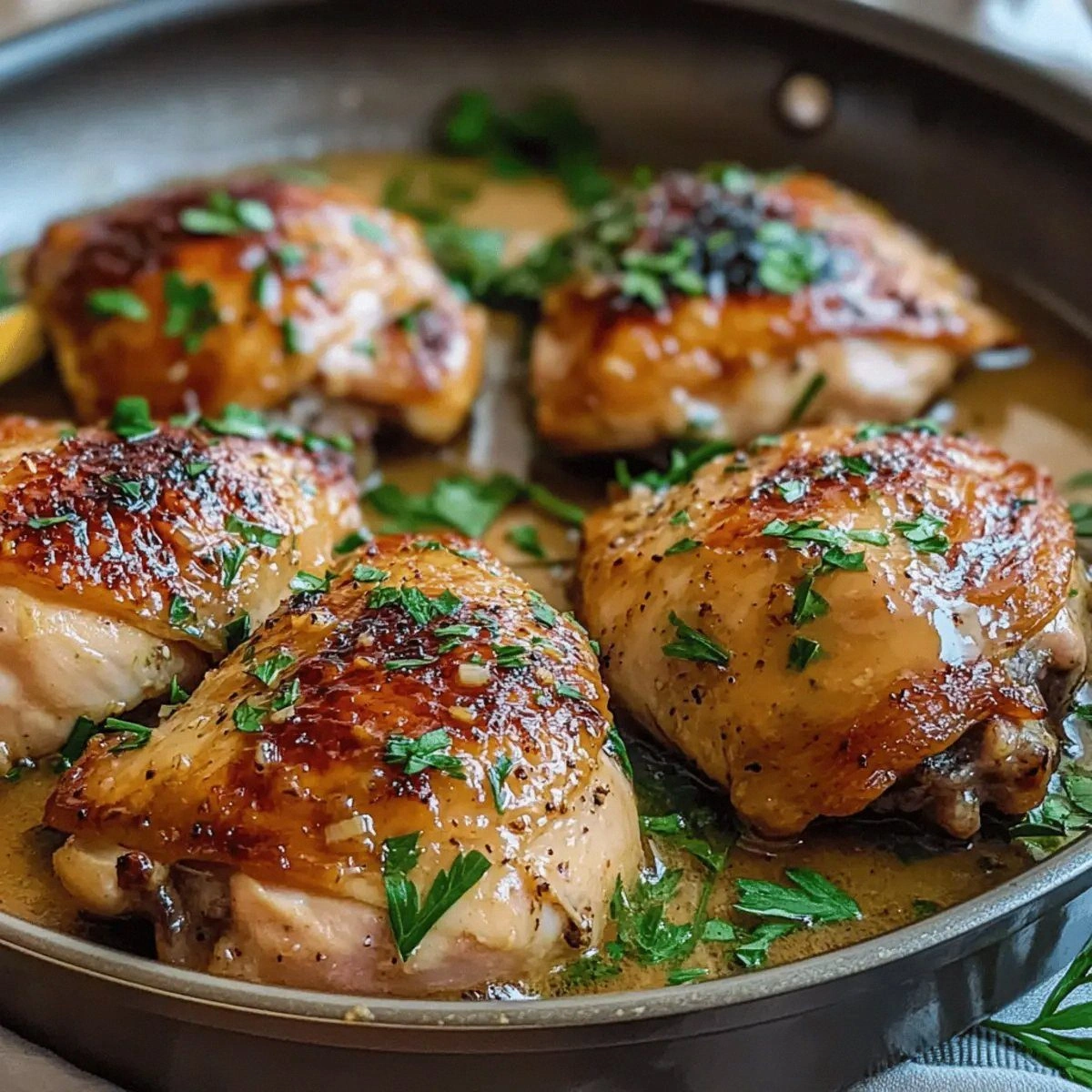
I still remember the first time I made this Savory French Mustard Chicken. It was one of those rainy Tuesday evenings when the sky looked like it had been painted with dishwater, and I was standing in my kitchen wearing mismatched socks, clutching a bottle of French mustard like it was liquid gold. My original plan was to make something entirely different—maybe a simple roasted chicken or a basic stir-fry—but then I spotted that jar of authentic Dijon mustard I'd splurged on during my last grocery trip, and suddenly I was on a mission. What started as a "let's just throw something together" moment transformed into one of those kitchen experiments that makes you feel like you're starring in your own cooking show, except the audience is just your cat and the neighbor who can probably smell what's happening through the walls.
Here's the thing about this recipe: it's going to ruin you for all other chicken dishes. I'm talking about that moment when you take your first bite and suddenly understand why the French have been keeping this technique secret for centuries. The chicken emerges from the pan with these gorgeous golden edges that look like they've been kissed by the sun itself, swimming in a sauce that's creamy yet sharp, rich yet bright, comforting yet sophisticated enough to serve at a dinner party where you want to impress that one friend who claims they've "tried everything." I dare you to taste this and not go back for seconds—actually, I double-dog dare you, because I ate half the batch before anyone else got to try it, and I'm not even sorry about it.
Picture yourself pulling this out of the oven, the whole kitchen smelling like a tiny bistro in the French countryside where the chef knows your name and always saves you the corner table. The aroma hits you first—garlic and herbs dancing with the tangy promise of mustard, all wrapped around the savory comfort of perfectly cooked chicken. Your neighbors will start showing up with random excuses about needing to borrow sugar or check if you've seen their cat. Stay with me here—this is worth it. The magic happens when the mustard transforms from a sharp condiment into this velvety sauce that coats every piece of chicken like it was custom-tailored just for it.
Let me walk you through every single step—by the end, you'll wonder how you ever made it any other way. This isn't just another chicken recipe to add to your rotation; this is the one that'll make you cancel dinner reservations because nothing at that fancy restaurant can compete with what's happening in your own kitchen. Most recipes get this completely wrong, treating mustard like an afterthought instead of the star ingredient it deserves to be. But here's what actually works, and once you try it, you'll understand why I'm so excited to share this with you.
What Makes This Version Stand Out
Flavor Bomb: We're not just glazing the chicken with mustard—we're creating a complex sauce that builds layers of flavor like a symphony where every instrument gets its solo. The French mustard provides that signature tangy backbone, but when it mingles with honey and fresh herbs, something magical happens. It's like your taste buds are taking a trip to Paris without the jet lag or the expensive plane ticket.
Texture Paradise: If you've ever struggled with dry, stringy chicken, you're not alone—and I've got the fix. This method ensures your chicken stays juicy on the inside while developing those crave-worthy crispy edges that shatter like thin ice when you cut into them. The contrast between the tender meat and the velvety sauce will make you close your eyes involuntarily with each bite.
One-Pan Wonder: Cleanup is so minimal that you'll actually look forward to cooking on weeknights. Everything happens in a single skillet, which means the chicken juices mingle with the mustard sauce, creating a flavor that's impossible to achieve when you're juggling multiple pans like a stressed-out juggler.
Weeknight Friendly: From fridge to table in under 45 minutes, this dish moves at the speed of your hunger. If you've ever stared into your refrigerator at 6 PM wondering what on earth you can make that doesn't involve calling for takeout, this recipe is your new best friend.
Crowd Pleaser: I've served this to picky toddlers, skeptical teenagers, and that one uncle who claims he "doesn't eat anything fancy." They all licked their plates clean. The honey tames the mustard's bite just enough to make it approachable, while the cayenne adds a whisper of heat that keeps things interesting without sending anyone running for water.
Restaurant Quality: This is hands down the best version you'll ever make at home, and I'm not being modest here. The technique we're using—searing then simmering—locks in moisture while building depth of flavor that most restaurants can't achieve because they're rushing to get orders out.
Make-Ahead Magic: The flavors actually improve overnight, making this perfect for meal prep or entertaining. If you've ever struggled with timing when guests are coming over, you'll love that you can make this ahead and just reheat gently while everyone enjoys their first glass of wine.
Inside the Ingredient List
The Flavor Base
The chicken is obviously the star here, but not all chicken is created equal. I'm giving you permission to use whatever cut makes you happy—breasts if you're watching calories, thighs if you want maximum flavor, or drumsticks if you're feeding kids who like to eat with their hands. The key is choosing pieces that are similar in size so they cook evenly. If you've ever ended up with some pieces overcooked while others are still pink in the middle, you'll appreciate this tip. I usually go for bone-in thighs because the bone adds flavor and the fat content keeps everything moist, but boneless works great if you're in a hurry.
French mustard is the absolute non-negotiable here. Don't even think about reaching for that yellow squeeze bottle that's been lurking in your fridge door since last summer. We're talking about real Dijon—the smooth, sophisticated cousin that went to finishing school and knows how to behave at a dinner party. The difference is night and day. Real French mustard has this complex tanginess with subtle wine notes that transforms into something ethereal when heated. If you absolutely must substitute, use a good stone-ground mustard, but know that you're missing out on what makes this dish special.
The Texture Crew
Mushrooms are your secret weapon for adding meaty texture without more meat. I love using a mix of cremini and white mushrooms for variety, but honestly, whatever's on sale works fine. The key is slicing them thick enough that they don't disappear into the sauce but thin enough that they cook through. They'll soak up all that mustardy goodness and provide little pockets of earthy flavor throughout the dish. If you've ever pushed mushrooms around your plate, thinking they're just filler, these will change your mind entirely.
Bell peppers bring the crunch and color that makes this dish look like you tried harder than you actually did. I use a mix of red and yellow for visual appeal, but green works if that's what you have. The trick is adding them at just the right moment so they stay crisp-tender rather than turning into mush. That slight crunch provides a beautiful contrast to the creamy sauce and tender chicken. Plus, they make the whole dish look like a celebration on a plate.
The Unexpected Star
Honey might seem like an odd addition to a savory dish, but stay with me here—this is worth it. It balances the mustard's sharpness and helps create this gorgeous glaze that makes the chicken look like it's been professionally sauced. The trick is using just enough to round out the flavors without turning dinner into dessert. I like using local honey when I can find it because the flavor varies based on what the bees were pollinating, adding another layer of complexity to the dish.
Cayenne pepper is where we separate the flavor adventurers from the spice-sensitive souls. A quarter teaspoon sounds like nothing, but it provides this gentle warmth that makes people ask "what's that amazing flavor?" without reaching for their water glass. If you're cooking for kids or spice-averse adults, you can omit it entirely, but I encourage you to try it at least once. It's not about heat—it's about depth.
The Final Flourish
Fresh herbs are non-negotiable here. Dried herbs have their place, but this isn't it. Fresh parsley or basil added right at the end provides this pop of color and freshness that lifts the entire dish from good to restaurant-quality. The herbs should be added as a garnish, not cooked into the sauce, so they retain their bright flavor and color. I grow basil on my windowsill specifically for dishes like this, but store-bought works perfectly fine.
Everything's prepped? Good. Let's get into the real action...
The Method — Step by Step
Start by patting your chicken pieces absolutely dry with paper towels. I mean really dry—like you're trying to get water out of a stone. Moisture is the enemy of browning, and those gorgeous golden edges we want can't happen if your chicken is damp. Season generously with salt and pepper on all sides, and let the chicken sit while you prep everything else. This short rest allows the seasoning to penetrate slightly, making every bite flavorful rather than just the surface.
Heat a large skillet over medium-high heat until it's screaming hot. You want to see the pan smoking slightly—this is the moment of truth. Add just enough oil to coat the bottom, then carefully place your chicken pieces skin-side down (or presentation-side down if using skinless). That sizzle when it hits the pan? Absolute perfection. Don't crowd the pan; work in batches if necessary, because overcrowding drops the temperature and steams instead of sears. Let the chicken cook undisturbed for 4-5 minutes until you see golden edges forming and the chicken releases easily from the pan.
Flip the chicken and let it brown on the other side for another 3-4 minutes. Okay, ready for the game-changer? Transfer the chicken to a plate—yes, even though it's not cooked through yet. This might seem counterintuitive, but we're building flavor layers here. The chicken will finish cooking later in the sauce, and this method ensures it stays juicy instead of turning into shoe leather.
Now, don't you dare wash that pan! Those brown bits stuck to the bottom are liquid gold, packed with concentrated chicken flavor. Reduce the heat to medium and add your mushrooms to the same pan. They'll start releasing their moisture and deglazing the pan naturally. Stir occasionally, scraping up those beautiful browned bits as the mushrooms cook. This should take about 5-6 minutes until they're golden and have reduced significantly in volume.
Add the bell peppers to the pan and cook for another 2-3 minutes. They should stay crisp-tender, so don't overdo it. The colors will brighten and the edges might get a slight char in spots—that's exactly what we want. These little charred bits add smoky depth to the final dish.
Now comes the fun part: creating the sauce. Push the vegetables to the sides of the pan and add the French mustard, honey, and cayenne pepper to the center. Let it sizzle for about 30 seconds—this toasts the mustard and brings out its nutty complexity. Whisk everything together, then slowly add about 1/2 cup of water or chicken stock to thin it out. The sauce should be pourable but thick enough to coat a spoon.
Nestle the chicken back into the pan, making sure each piece is partially submerged in the sauce but still showing on top. This arrangement allows the chicken to finish cooking while absorbing all those incredible flavors. Bring the sauce to a gentle simmer, then reduce the heat to low, cover the pan, and let it bubble away for 15-20 minutes.
Don't walk away from the stove here. Check after 10 minutes—the sauce should be thickening and the chicken should be nearly done. If the sauce gets too thick, add a splash more water. You want it to be the consistency of heavy cream, coating everything in a velvety blanket.
Check for doneness by cutting into the thickest piece—the juices should run clear, not pink. If you're using a meat thermometer, we're looking for 165°F (74°C) for white meat or 175°F (79°C) for dark meat. Remember that carryover cooking will raise the temperature slightly after you remove it from heat.
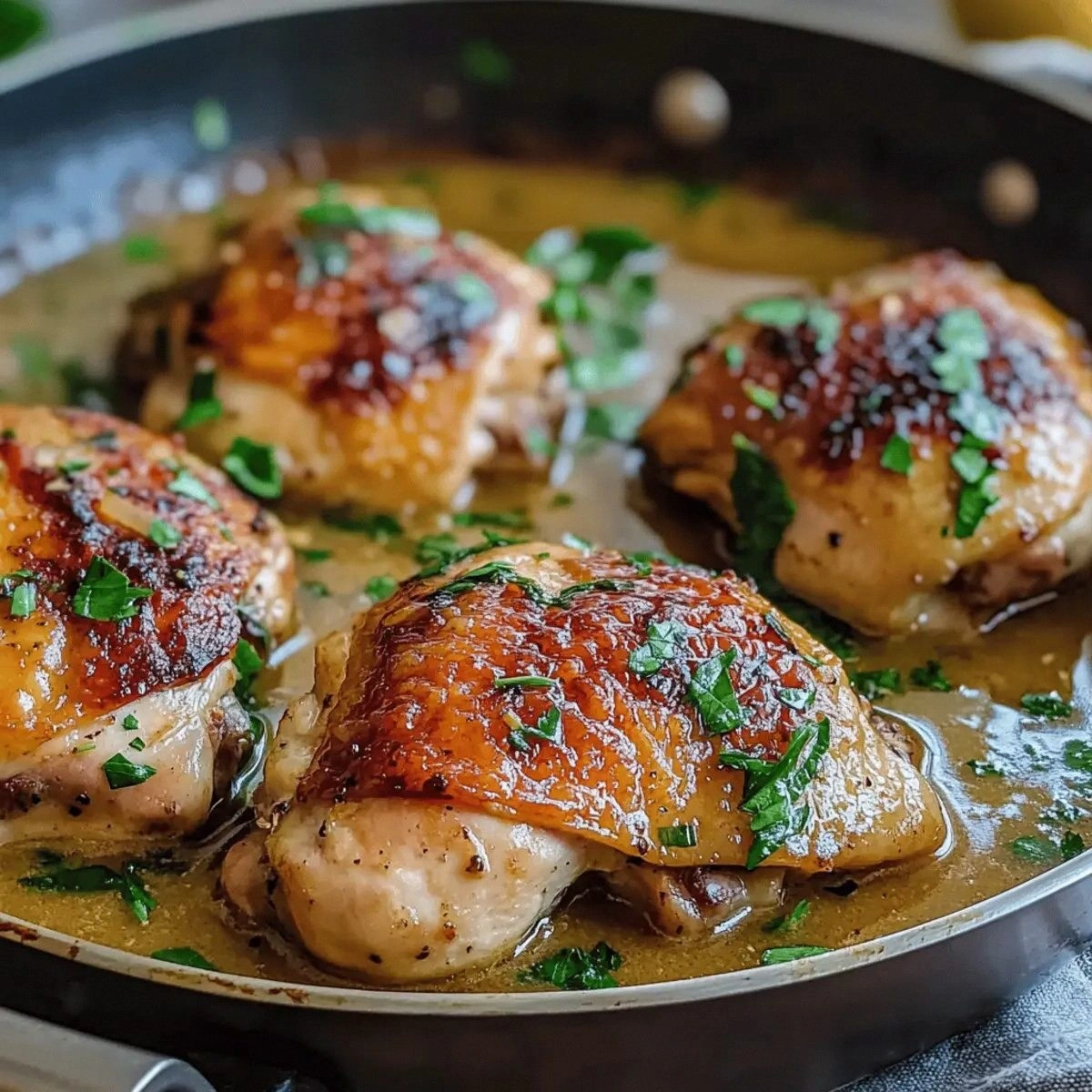
Once done, remove from heat and let the chicken rest in the sauce for 5 minutes. This brief rest allows the juices to redistribute throughout the meat, ensuring every bite is moist and flavorful. Sprinkle with fresh herbs right before serving—the heat will wilt them just enough to release their aromatic oils without turning them into sad, limp shadows of their former selves.
That's it—you did it. But hold on, I've got a few more tricks that'll take this to another level...
Insider Tricks for Flawless Results
The Temperature Rule Nobody Follows
Here's the thing about cooking chicken that most recipes gloss over: temperature matters at every stage, not just at the end. Start with room-temperature chicken for even cooking, use medium-high heat for searing, then drop to low for simmering. I use an infrared thermometer to check my pan temperature—485°F (252°C) is the sweet spot for that perfect golden sear. A friend tried skipping this step once—let's just say it didn't end well. Her chicken was burnt outside and raw inside, proving that patience with temperature pays off in ways that rushing never will.
Why Your Nose Knows Best
Don't underestimate the power of smell in cooking this dish. When the mushrooms are perfectly sautéed, they'll smell earthy and slightly nutty. The mustard sauce is ready when it smells tangy but not harsh, with a subtle sweetness from the honey. If you've ever struggled with knowing when something is done, trust your nose—it processes thousands more scent molecules than your taste buds can detect, making it a more reliable indicator than timing alone.
The 5-Minute Rest That Changes Everything
That final rest isn't just about the chicken—it's about the sauce too. As everything sits together, the flavors meld and deepen, transforming from individual ingredients into a harmonious whole. Cover the pan loosely with foil during this rest; too tight and the chicken steams, too loose and it cools too quickly. This is when the magic happens, when good becomes great, when dinner becomes memorable.
The Herb Timing Secret
Fresh herbs are your final flourish, but timing is everything. Add them too early and they turn black and bitter; add them too late and they don't release their aromatic oils. The perfect moment is right before serving, when the dish is hot enough to wilt them slightly but not so hot that they cook. Chop them roughly, not finely—those larger pieces provide bursts of fresh flavor that make every bite exciting.
The Leftover Transformation
If you're lucky enough to have leftovers, shred the chicken and toss it with the sauce over pasta. Add a splash of cream and suddenly you have an entirely new dish that tastes like you planned it all along. The flavors have married overnight, creating something even more complex and delicious than the original meal.
Creative Twists and Variations
This recipe is a playground. Here are some of my favorite ways to switch things up:
The Mediterranean Remix
Replace the bell peppers with sun-dried tomatoes and artichoke hearts, swap the parsley for oregano and basil, and add a splash of white wine to the sauce. Suddenly you're transported to a seaside taverna where the air smells like salt and possibility. The sun-dried tomatoes provide intense umami bursts, while the artichokes add a pleasant tang that complements the mustard beautifully.
The Creamy Dream Variation
Stir in 1/4 cup of heavy cream at the end for a luxurious sauce that coats everything like velvet. This version is perfect for special occasions or when you need comfort food that feels like a warm hug. The cream softens the mustard's bite while adding body to the sauce, creating something that rivals any restaurant dish you've ever ordered.
The Spicy Food Lover's Version
Double the cayenne and add a diced jalapeño with the bell peppers. This isn't about heat for heat's sake—it's about layers of spice that build gradually, making each bite more addictive than the last. The honey helps balance the heat, while the mustard provides a tangy backdrop that makes the spice more complex than just "hot."
The Vegetarian Adaptation
Use thick slices of cauliflower steaks instead of chicken, searing them the same way. The cauliflower's natural sweetness pairs beautifully with the mustard sauce, and its meaty texture satisfies even dedicated carnivores. Add white beans for protein, and you've got a vegetarian meal that doesn't feel like a compromise.
The One-Pot Pasta Method
Add uncooked pasta and extra liquid to the pan in step 4, creating a complete meal in one pot. The pasta cooks in the mustard sauce, absorbing all those incredible flavors. Use a short pasta like penne or fusilli that can capture the sauce in its nooks and crannies. This variation is perfect for potlucks or when you want maximum flavor with minimum dishes.
The Fancy Dinner Party Upgrade
Use chicken breasts stuffed with herbed goat cheese, secured with toothpicks. The creamy goat cheese melts into the mustard sauce, creating pockets of tangy richness that make this taste like a dish from a Michelin-starred restaurant. Garnish with microgreens instead of chopped herbs for an elegant presentation that'll have your guests taking photos before they dig in.
Storing and Bringing It Back to Life
Fridge Storage
Store leftovers in an airtight container in the refrigerator for up to 4 days. The flavors actually improve overnight as the chicken absorbs more of the sauce. Place a piece of plastic wrap directly on the surface of the sauce before sealing the container—this prevents a skin from forming and keeps everything tasting fresh. Separate the chicken from the sauce if possible, storing them in different containers so you can reheat each component optimally.
Freezer Friendly
This dish freezes beautifully for up to 3 months, making it perfect for meal prep. Freeze in individual portions so you can thaw exactly what you need. The sauce may separate slightly when thawed, but a gentle whisk while reheating brings it back together. Freeze the chicken and sauce together, but add fresh herbs only after reheating for the best flavor and appearance.
Best Reheating Method
Reheat gently in a covered skillet over medium-low heat, adding a splash of water or chicken stock to loosen the sauce. Microwave reheating works in a pinch, but the stovetop method preserves the sauce's silky texture better. Add a tiny splash of water before reheating—it steams back to perfection, restoring the sauce to its original glory. Never reheat more than once, as the chicken can become tough and the sauce can break.