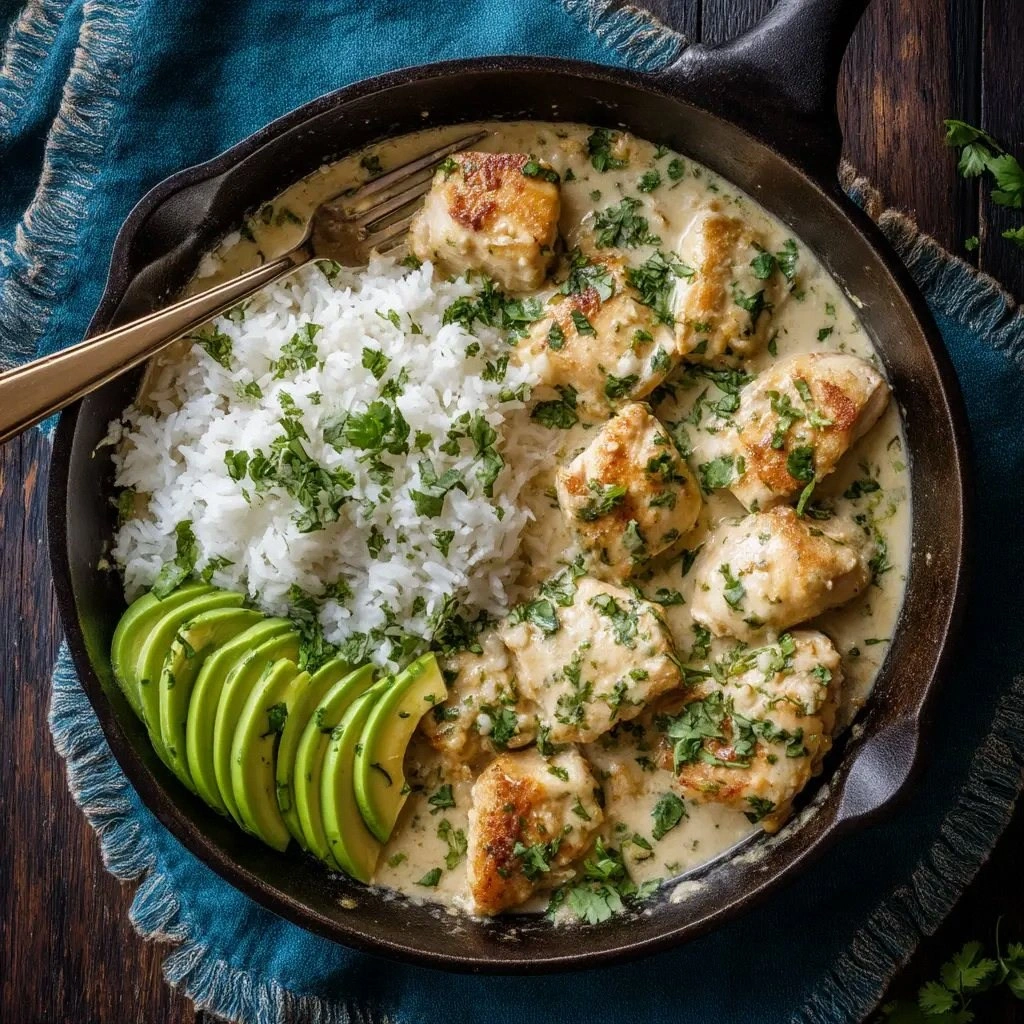
Picture this: a frantic Friday night, the fridge empty except for a few wilted greens and a lonely chicken breast that feels like a forgotten promise. I was staring at the clock, the air thick with the scent of burnt toast, when the idea struck—why not turn that humble chicken into a creamy coconut masterpiece? The kitchen was a battlefield, but the aroma that started to bubble from the pot felt like a secret weapon. The moment the coconut milk hit the pan, the room was filled with a warm, nutty perfume that made the stress melt away. I was about to create something that would turn a bland dinner into a culinary revelation.
That first bite was a revelation. The sauce clung to the chicken like a silky velvet, each morsel bursting with subtle heat from the red pepper flakes and a bright citrus kiss from the lime. The coconut milk didn’t overpower; it complemented the ginger and garlic, weaving a harmony of flavors that danced on the tongue. The texture was a dream—tender chicken, creamy sauce, and just enough thickness to coat every surface. I swear, if you taste this, you’ll never settle for plain chicken again. The confidence I felt after that first spoonful was a promise: this is hands down the best version you’ll ever make at home.
Now, I’ll walk you through every single step, from the first sizzle to the final garnish. By the end, you’ll wonder how you ever made it any other way. I dare you to taste this and not go back for seconds. If you’ve ever struggled with making chicken that’s anything but dry, you’re not alone—and I’ve got the fix. The secret lies not just in the ingredients but in the technique that turns ordinary into extraordinary.
Okay, ready for the game-changer? The next section will break down what makes this recipe a standout in a sea of coconut chicken dishes. I promise you’ll see why this version is a game-changer. Let’s dive in.
What Makes This Version Stand Out
- Taste: The combination of coconut milk, lime juice, and a splash of soy sauce creates a balanced flavor profile that’s sweet, tangy, and umami. This harmony turns a simple chicken dish into a gourmet experience.
- Texture: The cornstarch slurry gives the sauce a silky thickness that clings to the chicken, while the coconut oil adds a subtle sheen. The result is a velvety coating that melts in your mouth.
- Simplicity: With fewer than ten ingredients, you can whip this up in 30 minutes. No fancy tools or hard-to-find spices—just pantry staples.
- Uniqueness: The addition of turmeric provides a golden hue and earthy depth, a twist that most coconut chicken recipes miss.
- Crowd Reaction: Friends rave about the bright, fresh finish from the lime and cilantro. It’s a crowd-pleaser that’s perfect for dinner parties.
- Ingredient Quality: Using full‑fat coconut milk and fresh ginger elevates the dish. The quality of each component shines through.
Alright, let’s break down exactly what goes into this masterpiece. And before we get started, here’s a quick kitchen hack to keep the process smooth.
Inside the Ingredient List
The Flavor Base
The foundation of this dish is the aromatic blend of garlic, ginger, and red pepper flakes. Garlic brings depth, while ginger adds a subtle warmth that balances the coconut’s sweetness. The red pepper flakes give a gentle heat that lingers without overwhelming. Skipping any of these would leave the sauce feeling flat and one‑dimensional. For those who prefer a milder version, reduce the pepper flakes to a quarter teaspoon. When buying fresh ginger, look for firm, smooth skin—this ensures a bright, clean flavor.
The Texture Crew
Cornstarch is the unsung hero that thickens the sauce into a luscious coat. It’s a quick fix that eliminates the need for a roux or heavy cream. Coconut oil, on the other hand, adds a glossy finish and a subtle nutty undertone. Using coconut oil also keeps the dish dairy‑free and gluten‑free, broadening its appeal. If you’re allergic to coconut, substitute with a neutral oil like grapeseed or canola. The key is to add the oil at the right moment—just before the sauce reaches your desired consistency.
The Unexpected Star
Turmeric may seem like a spice you’d only use in curry, but its golden hue and earthy flavor add a sophisticated touch. It also offers anti‑inflammatory benefits that make this dish feel indulgent yet wholesome. If you’re wary of the color, use a pinch of paprika instead; the flavor will shift but still be delicious. Turmeric’s subtle bitterness contrasts beautifully with the sweet coconut milk. The small amount—just half a teaspoon—provides a balanced depth without overpowering.
The Final Flourish
Fresh cilantro and lime juice are the finishing touches that elevate the dish from comforting to unforgettable. Cilantro’s bright, citrusy note cuts through the richness, while lime juice adds a zesty lift that brightens every bite. If cilantro isn’t your favorite, parsley or basil can substitute, though the flavor profile will change. A squeeze of lime right before serving ensures the acidity remains vibrant. The combination of these ingredients creates a fresh, aromatic finish that lingers on the palate.
Everything’s prepped? Good. Let’s get into the real action.
The Method — Step by Step
- Heat a large skillet over medium‑high heat and add the coconut oil. As the oil warms, it should shimmer without smoking. This is the moment of truth—your skillet’s temperature is crucial. If the oil starts to bubble, reduce the heat slightly. A well‑heated pan ensures a perfect sear on the chicken.
- Pat the chicken dry with paper towels; excess moisture will prevent browning. Season both sides generously with salt and pepper. The salt draws out flavor, while the pepper adds a subtle heat. Place the chicken in the hot skillet, leaving space between pieces. Let it sear for 2–3 minutes on each side until golden brown.
- Remove the chicken and set aside. In the same pan, add the minced garlic and grated ginger. Sauté for 30 seconds until fragrant, being careful not to burn. The aroma should be inviting, like a warm hug. This step builds the flavor foundation for the sauce.
- Stir in the cornstarch slurry—cornstarch dissolved in a tablespoon of water—to prevent lumps. Cook for an additional minute, allowing the mixture to thicken slightly. This creates a silky base that will later envelop the chicken. The mixture should look glossy and smooth.
- Pour in the full‑fat coconut milk, soy sauce, lime juice, turmeric, and red pepper flakes. Bring the mixture to a gentle simmer, stirring occasionally. Watch for the sauce to thicken to a coat‑the‑chicken consistency. The simmer should be low enough to avoid scorching but high enough to meld flavors.
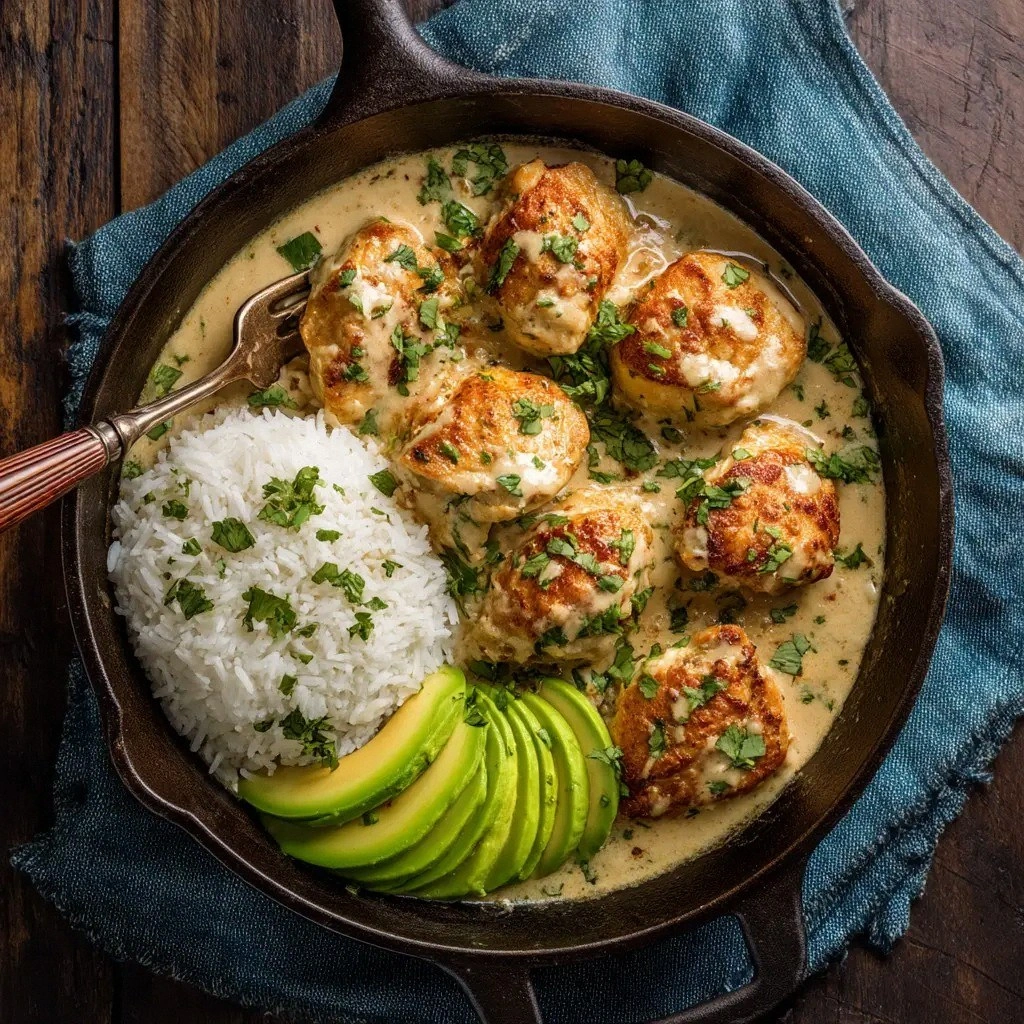
- Return the chicken to the skillet, nestling it into the sauce. Reduce heat to medium‑low and let it cook for 10–12 minutes, turning once. The chicken should be fully cooked and the sauce should have thickened. The edges will start pulling away, indicating readiness.
- Just before serving, sprinkle freshly chopped cilantro over the top. The green burst of color will make the dish pop visually. The cilantro’s aroma will enhance the citrus notes of lime. This final touch transforms a simple dish into a feast for the senses.
- Serve immediately over steamed jasmine rice or fluffy quinoa for a complete meal. The rice acts as a neutral canvas that absorbs the sauce beautifully. If you prefer, add a side of sautéed greens for extra nutrition. The dish is versatile, catering to both quick weekday dinners and special occasions.
That’s it—you did it. But hold on, I've got a few more tricks that will take this to another level.
Insider Tricks for Flawless Results
The Temperature Rule Nobody Follows
Maintaining the right pan temperature is key to achieving that golden sear on the chicken. Too hot, and the exterior will burn before the interior cooks; too cool, and the chicken will steam rather than sear. The trick is to test the heat by flicking a drop of water into the pan—if it sizzles instantly, you’re good. If it dances or evaporates slowly, lower the heat. This simple technique guarantees a perfect crust every time.
Why Your Nose Knows Best
Before you even taste the sauce, give it a sniff. A rich, coconut aroma with a hint of citrus indicates the flavors are balanced. If the smell leans too much toward garlic or ginger, adjust by adding a splash of lime or a pinch of salt. Your nose is your first quality control, and it’s surprisingly accurate.
The 5‑Minute Rest That Changes Everything
Once the chicken is cooked, let it rest on a plate for five minutes. This allows the juices to redistribute, making each bite succulent. Resting also lets the sauce thicken slightly, giving it that perfect coating. A friend once skipped this step and ended up with a dry, uneven dish—don’t let that happen to you.
Freshness Over Time
Use the freshest ginger and garlic you can find. Fresh aromatics bring brightness that canned or pre‑minced versions lack. If you’re in a pinch, pre‑minced garlic works, but it’s best to crush it yourself to release the essential oils. The same goes for ginger—grate it fresh for a more robust flavor.
Keep It Simple With Quality
Instead of overcomplicating the recipe, focus on high‑quality ingredients. A can of full‑fat coconut milk is essential; skim or light versions won’t provide the same richness. Also, opt for a good brand of soy sauce—low‑sodium works, but a richer, more complex flavor will elevate the dish.
Creative Twists and Variations
This recipe is a playground. Here are some of my favorite ways to switch things up:
Spicy Thai Twist
Swap the red pepper flakes for a tablespoon of Thai chili paste. Add a splash of fish sauce for umami depth. Garnish with sliced green chilies and lime wedges. This variation brings a fiery kick and an extra layer of flavor.
Herbal Mediterranean Flair
Replace the coconut milk with a mixture of Greek yogurt and a dash of olive oil. Add chopped sun‑dried tomatoes and oregano. Finish with a drizzle of balsamic glaze. This gives a tangy, herbaceous profile that’s perfect for summer.
Vegetarian Version
Use firm tofu or tempeh instead of chicken. Marinate in soy sauce, lime juice, and garlic before cooking. The tofu will absorb the sauce, delivering a protein‑rich, plant‑based alternative.
Low‑Carb Variation
Serve the sauce over cauliflower rice instead of jasmine rice. Use a sugar‑free coconut milk if you’re watching carbs. This keeps the dish low‑glycemic while retaining its creamy texture.
Breakfast Boost
Serve the sauce over fluffy scrambled eggs and toast. Add a sprinkle of chives for a savory finish. This turns the dish into a hearty, protein‑packed breakfast.
Asian Fusion
Introduce a splash of sesame oil at the end and sprinkle toasted sesame seeds. Pair with sautéed bok choy or broccoli. The nutty sesame flavor complements the coconut and adds crunch.
Storing and Bringing It Back to Life
Fridge Storage
Cool the dish completely before transferring it to an airtight container. Store in the refrigerator for up to three days. When reheating, add a splash of water or coconut milk to restore moisture. The sauce will thicken upon standing, so a little liquid keeps it silky.
Freezer Friendly
Place the cooled dish in a freezer‑safe container and seal tightly. It can be stored for up to two weeks. Thaw overnight in the refrigerator before reheating. Add a bit of fresh lime juice before serving to brighten the flavors.
Best Reheating Method
Reheat gently over low heat, stirring occasionally. The key is to warm slowly to avoid over‑thickening. A microwave can work, but stir halfway through to distribute heat evenly. Finish with a fresh sprinkle of cilantro and a squeeze of lime.