I was standing in my kitchen, staring at a pot of overcooked spaghetti, when a friend texted me a link to a recipe that promised “the most indulgent hummus pasta you’ll ever taste.” I stared at the screen, skeptical, because I’ve tried every hummus‑based pasta out there—some were dry, some were too garlicky, and a few even tasted like they had been made by a toddler. But that link had a bold headline, a picture of glossy, green‑tinted noodles, and a promise that it could be whipped up in twenty minutes. The idea of a creamy, herb‑laden pasta that didn’t require a blender or a fancy kitchen gadget was instantly irresistible. So I set the timer, grabbed the ingredients, and dove in, hoping to discover a new staple for my dinner rotation.
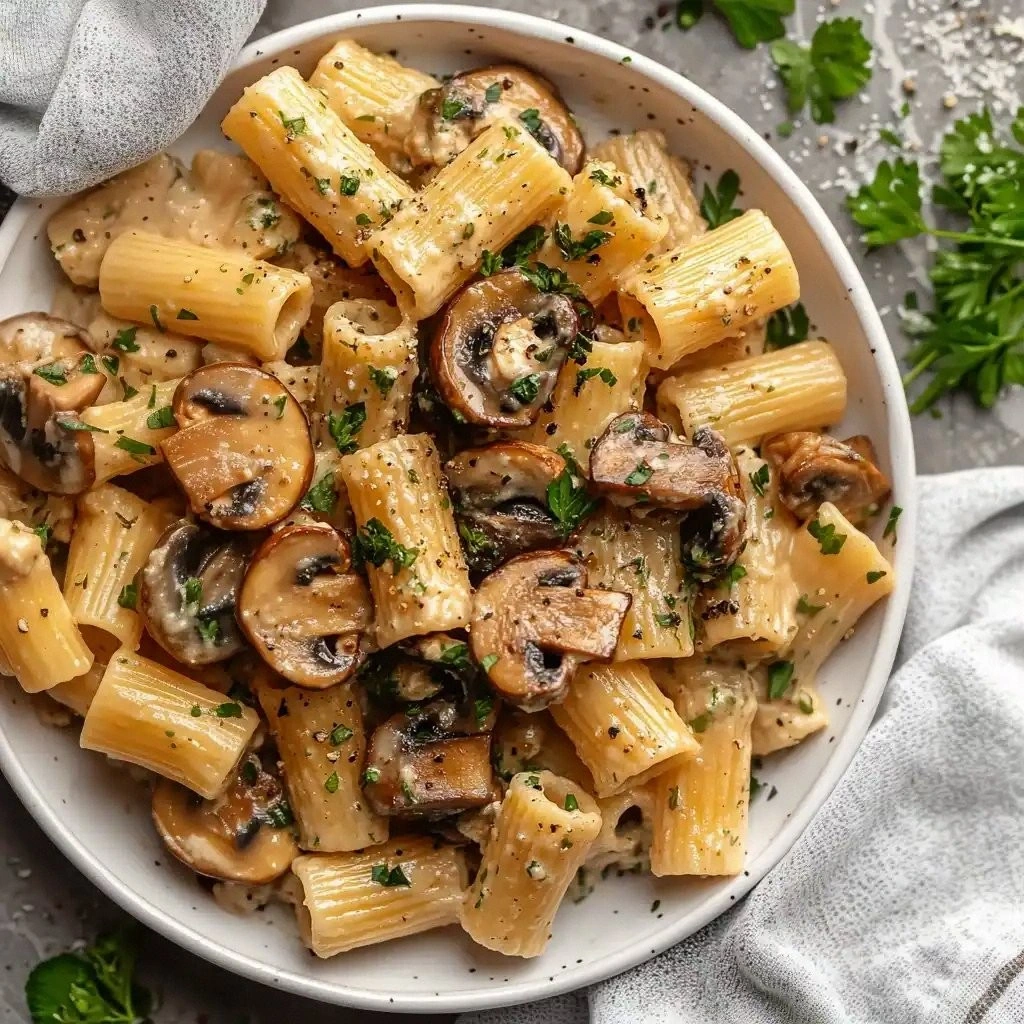
Picture this: the pot is bubbling, steam rises like a cloud of anticipation, and the air is thick with the scent of toasted garlic and fresh lemon. The noodles glisten under the kitchen lights, coated in a velvety hummus sauce that’s both thick and pourable. As you twirl a fork, the sauce clings to each strand, creating a silky ribbon that shatters into a satisfying crunch when you bite. The burst of tomato and roasted pepper pops against the creamy base, while the spinach adds a subtle earthiness that balances the heat from the red pepper flakes. By the time you finish the last spoonful, you’re left with a lingering note of citrus and a whisper of garlic that makes you reach for seconds—an invitation you can’t ignore.
The truth is, this version of hummus pasta is hands down the best you’ll ever make at home. The secret lies in the marriage of simple, high‑quality ingredients and a method that respects the integrity of each component. No heavy cream or processed cheese—just the humble hummus that brings body and flavor, a splash of lemon juice for brightness, and a generous drizzle of olive oil to tie everything together. The result is a dish that’s creamy without being cloying, spicy without being overwhelming, and fresh without compromising on comfort. If you’ve ever struggled with plain pasta that feels bland or too greasy, this recipe is a game‑changer that will transform your perception of quick weeknight meals.
And the best part? There’s a twist you won’t find in most hummus pasta recipes: the addition of roasted red peppers, which not only adds a subtle smokiness but also a pop of color that makes the dish Instagram‑worthy. I dare you to taste this and not go back for seconds. Stay with me here—this is worth it. Let me walk you through every single step, and by the end, you’ll wonder how you ever made it any other way.
What Makes This Version Stand Out
- Texture: The hummus creates a silk‑smooth coating that clings to each noodle, giving the dish a luxurious mouthfeel without the heaviness of dairy cream.
- Flavor: The bright acidity from lemon juice cuts through the richness, while the roasted red peppers add a subtle smokiness that elevates the entire plate.
- Ease: No fancy gadgets or time‑consuming prep—just a handful of pantry staples and a quick sauté.
- Nutrition: Packed with plant‑based protein from hummus and fiber from spinach, this dish is a balanced, wholesome option for any meal.
- Versatility: Swap out the pasta for quinoa, spiralized zucchini, or even cauliflower rice for a low‑carb version.
- Make‑Ahead: The sauce can be prepped a day in advance; just add the pasta and a splash of broth when you’re ready to serve.
- Crowd‑Pleaser: The vibrant colors and bold flavors make it a hit at family dinners, date nights, or potlucks.
- Ingredient Quality: Using a good‑quality hummus and fresh produce means the dish shines with minimal effort.
Alright, let’s break down exactly what goes into this masterpiece…
Inside the Ingredient List
The Flavor Base
The hummus is the heart of this dish, providing both body and subtle nutty undertones. It’s a versatile ingredient that can be swapped for tahini‑based sauces if you prefer a different flavor profile. If you skip the hummus, the sauce will lose its creamy texture and the dish will feel more like a plain tomato pasta.
The garlic gives the sauce depth and a gentle bite; crushing the cloves releases more aromatics than slicing them. If you’re sensitive to garlic, use half the amount or replace it with a pinch of garlic powder. The lemon juice brightens everything, cutting through the richness and preventing the dish from feeling flat.
The Texture Crew
Olive oil is essential for emulsifying the sauce and adding a silky finish. It also helps the sauce cling to the pasta, creating that coveted “velvet” feel. A high‑quality extra virgin olive oil will give a peppery finish that elevates the dish.
The vegetable broth or reserved pasta water acts as a liquid base, allowing the sauce to coat the noodles without becoming too thick. If you’re making a low‑sodium version, use a low‑sodium broth or simply add a splash of water.
The Unexpected Star
Roasted red peppers are the secret weapon that adds a smoky sweetness and a pop of color. They also bring a subtle sweetness that balances the acidity of the lemon and the heat from the red pepper flakes. If you can’t find them, sun‑dried tomatoes or a splash of tomato paste can mimic the flavor profile.
The Final Flourish
Baby spinach and cherry tomatoes provide fresh, bright flavors that cut through the richness of the sauce. The spinach wilts into the sauce, adding a silky green hue, while the tomatoes burst with juiciness. If you prefer a heartier vegetable, try adding a handful of arugula or roasted zucchini.
Everything’s prepped? Good. Let’s get into the real action…
The Method — Step by Step
- Bring a large pot of salted water to a rolling boil. Add the 8 oz of pasta and cook until al dente, about 9–10 minutes. Reserve ½ cup of the pasta water before draining; this starchy liquid will help thicken the sauce.
- While the pasta cooks, heat the olive oil in a large skillet over medium heat. Add the minced garlic and sauté for 30 seconds until fragrant—watch for that subtle golden hue.
- Stir in the hummus, lemon juice, and red pepper flakes. Let the mixture bubble gently for 2 minutes, allowing the flavors to meld. The sauce should thicken slightly and become glossy.
- Add the roasted red peppers, baby spinach, and cherry tomatoes to the skillet. Cook for another 3 minutes, until the spinach wilts and the tomatoes soften. The mixture should smell toasty and aromatic.
- Return the drained pasta to the skillet, tossing to coat each noodle with the sauce. If the sauce seems too thick, drizzle in the reserved pasta water a tablespoon at a time until you reach your desired consistency.
- Season with salt, black pepper, and a pinch of extra red pepper flakes if you like it hotter. Give everything a final stir, ensuring every strand is evenly coated.
- Turn off the heat and let the dish sit for a minute; this allows the flavors to settle and the sauce to thicken further.
- Serve immediately, garnished with a drizzle of olive oil or a sprinkle of fresh herbs if you have them on hand. The dish is best enjoyed hot, when the noodles are tender and the sauce is silky.
That’s it — you did it. But hold on, I’ve got a few more tricks that will take this to another level. These insider tips will help you avoid common pitfalls and elevate the dish from good to unforgettable.
Insider Tricks for Flawless Results
The Temperature Rule Nobody Follows
The key to a silky sauce is low, steady heat. Once you add the hummus, let it simmer gently; a rolling boil will break down the emulsion and make the sauce watery. I once tried a high heat approach and ended up with a greasy mess—don’t make that mistake.
Why Your Nose Knows Best
If the sauce smells buttery or burnt, it’s too hot. Pause, let the skillet cool for a few seconds, and then resume cooking. Your nose is a reliable guide to the perfect cooking temperature.
The 5‑Minute Rest That Changes Everything
Let the pasta sit in the sauce for 5 minutes off the heat. This resting period allows the noodles to absorb the flavors and the sauce to thicken, giving you that coveted velvet finish.
The Quick Toss Trick
Use a pair of tongs to toss the pasta in the skillet rather than a wooden spoon. This ensures the sauce coats every noodle evenly and reduces the risk of the sauce sticking to the pan.
The Secret Salt Layer
Add a pinch of salt at the very beginning when you sauté the garlic. This helps the garlic release its oils early, giving the entire dish a richer flavor profile.
The Finish with Fresh Herbs
A handful of chopped parsley or basil right before serving adds brightness and a pop of color. I’ve found that fresh herbs can lift a dish that feels a bit flat, so don’t shy away from them.
Creative Twists and Variations
This recipe is a playground. Here are some of my favorite ways to switch things up:
Protein Power
Add grilled chicken, shrimp, or tofu cubes to make it a hearty main dish. The protein will soak up the sauce, creating a richer, more satisfying bite.
Low‑Carb Version
Swap the pasta for spiralized zucchini or shirataki noodles. The dish will still have the same creamy texture but with a fraction of the carbs.
Spicy Kick
Increase the red pepper flakes or add a dash of sriracha for an extra heat factor. This variation turns the dish into a bold, fiery experience.
Mediterranean Flair
Add kalamata olives, capers, and a sprinkle of feta cheese. These ingredients will give the dish a classic Mediterranean vibe.
Vegan Boost
Serve with a side of sautéed kale or roasted chickpeas for an extra protein boost while keeping it plant‑based.
Summer Picnic
Pack the pasta in a sealed container and add a drizzle of olive oil just before eating. It’s a refreshing, on‑the‑go meal that tastes as good in a picnic as it does at home.
Storing and Bringing It Back to Life
Fridge Storage
Cool the pasta completely, then transfer it to an airtight container. Store in the refrigerator for up to 3 days. The sauce may thicken, but it will still taste great when reheated.
Freezer Friendly
If you want to store it longer, freeze the dish for up to 2 weeks. Thaw in the refrigerator overnight, then reheat with a splash of broth or water to loosen the sauce.
Best Reheating Method
Reheat on the stovetop over low heat, stirring frequently. Add a tiny splash of water or broth to steam back to perfection. The pasta should feel warm and silky, not dry.