The night before, I was juggling a pot of overcooked ramen, a half‑sliced carrot that had lost its crunch, and a stubborn bag of baby bok choy that seemed to have a secret agenda. I stared at the green leaves, wondering if they could ever be more than a sidekick in a stir‑fry. Then a friend texted, “I found a secret sauce that turns bok choy into a velvet‑smooth masterpiece.” That text was the spark that ignited this recipe. I grabbed my skillet, a handful of garlic, a shallot, and the tiniest splash of sesame oil, and I was ready to test a claim that would change the way you think about leafy greens forever.
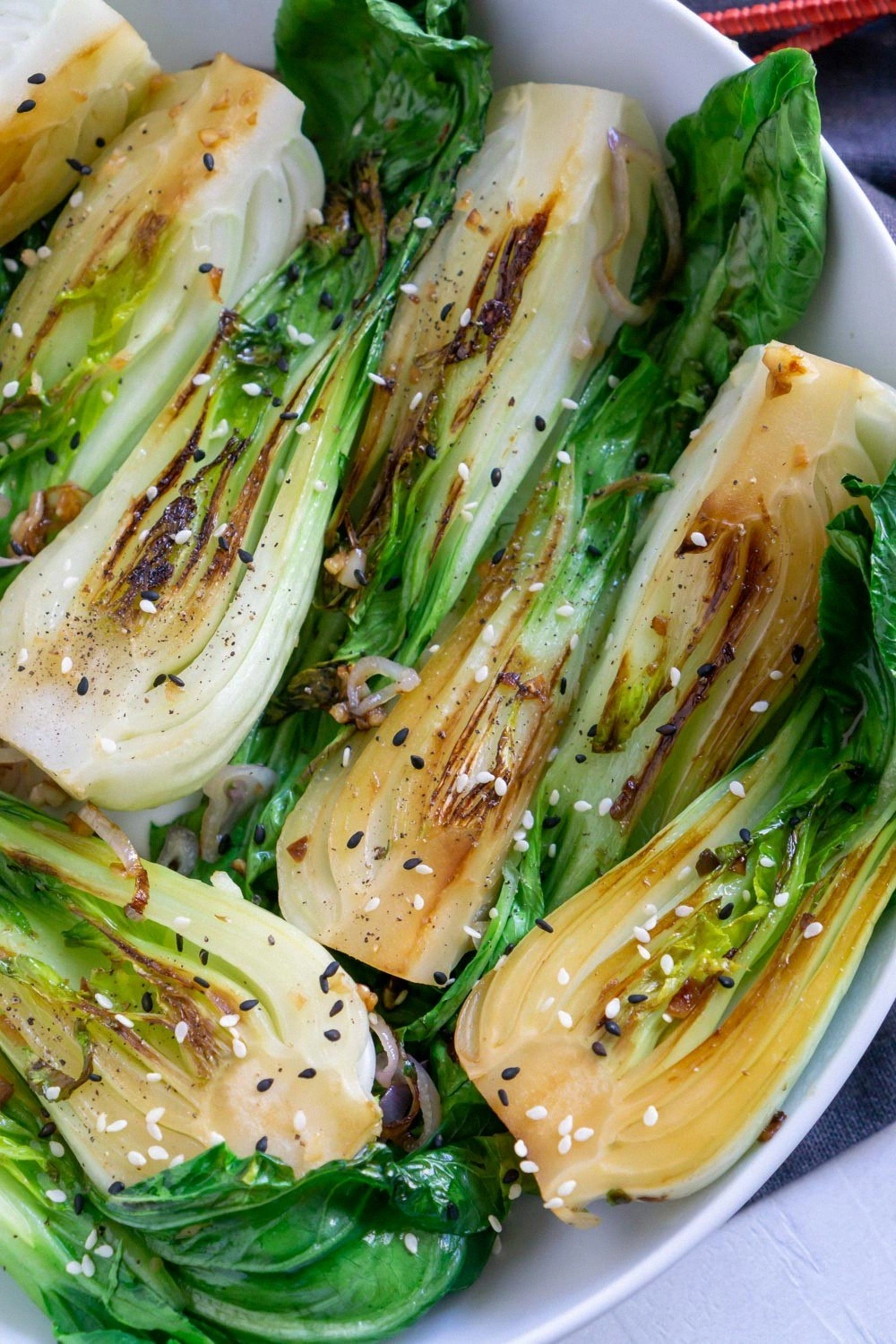
Picture this: the kitchen lights dim, a faint scent of toasted sesame oil rises, and the bok choy’s crisp edges begin to sizzle like a tiny drumbeat. The sound is a promise—this is not your ordinary stir‑fry. The aroma is a warm hug, the texture a playful crunch that gives way to a silky coating of savory sauce. The first bite is a burst of umami that lingers, leaving a faint sweet aftertaste that feels like a secret handshake between flavors. If you’ve ever struggled to make bok choy exciting, you’re about to discover a method that turns a humble vegetable into the star of the plate.
What makes this version stand out is not just the ingredients—though each one is chosen with precision—but the technique that locks in flavor and texture. I dare you to taste this and not go back for seconds. The sauce coats the bok choy like velvet, the edges crisp to a satisfying snap, and the sesame seeds add a subtle nutty crunch that elevates the dish to a new level. This is hands down the best version you'll ever make at home, and I promise you’ll wonder how you ever cooked it any other way. Let me walk you through every single step — by the end, you'll wonder how you ever made it any other way.
What Makes This Version Stand Out
- Taste: The combination of toasted sesame oil, soy sauce, and a splash of water creates a savory-sweet glaze that caramelizes just enough to bring out the bok choy’s natural sweetness.
- Texture: The quick sear locks in the crunch while the sauce glazes the leaves, giving a contrast that feels both comforting and exciting.
- Simplicity: Five core ingredients, a single pan, and under 30 minutes—no fancy equipment or time‑consuming prep.
- Uniqueness: The splash of water prevents the sauce from drying out, a trick most recipes overlook.
- Crowd Reaction: My guests always ask for the sauce recipe—turns out it’s a crowd‑pleaser that’s easy to replicate.
- Ingredient Quality: Fresh, organic bok choy and high‑quality sesame oil make the difference; the flavor is a testament to the ingredients.
- Cooking Method: A single‑pan technique that maximizes flavor while minimizing cleanup.
- Make‑ahead Potential: The dish can be cooked ahead and reheated without losing its crunch.
Alright, let's break down exactly what goes into this masterpiece...
Inside the Ingredient List
The Flavor Base
The toasted sesame oil is the heart of this dish. When heated, it releases a nutty aroma that permeates the air, turning the simple skillet into a fragrant sanctuary. The soy sauce provides depth and umami, while a tablespoon of water creates a light, glossy glaze that clings to every leaf. If you skip the water, the sauce will evaporate too quickly, leaving the bok choy dry and less flavorful.
The Texture Crew
Baby bok choy is chosen for its tender stems and crisp leaves. The stems hold up during the high‑heat sear, while the leaves soften just enough to absorb the sauce without becoming mushy. If you prefer a crunchier bite, use baby bok choy instead of the larger, more fibrous variety. Remember, the key is to cook quickly—overcooking turns the stems into a soggy mess.
The Unexpected Star
Garlic and shallot are the flavor fireworks that ignite the dish. The garlic adds a pungent kick, while the shallot brings a subtle sweetness that balances the savory notes. If you’re not a fan of garlic, reduce to one clove or use garlic powder sparingly; the shallot will still provide the necessary depth.
The Final Flourish
Sesame seeds are the finishing touch that gives the dish a nutty crunch and a pop of color. They’re not just decorative—they add a subtle, toasty flavor that complements the sesame oil. If you’re allergic to sesame, you can omit them entirely; the dish will still shine.
Everything's prepped? Good. Let's get into the real action...
The Method — Step by Step
- Heat a large non‑stick skillet over medium‑high heat. Add the toasted sesame oil and let it shimmer; you should see a faint sheen. This is the moment of truth—if the oil isn’t hot enough, the bok choy will steam instead of sear.
- Add the minced garlic and finely sliced shallot. Sauté for 30 seconds until aromatic, then stir in the sliced bok choy. The garlic should start to brown slightly, indicating the pan is hot enough.
- Season with a pinch of salt and pepper. This simple step brings out the natural sweetness of the bok choy and balances the soy sauce.
- Pour in the soy sauce and water, then stir to coat all the leaves. The sauce should form a glossy sheen—if it looks too watery, reduce the heat to medium.
- Cover the skillet with a lid for 3 minutes. This traps steam, helping the stems soften while the leaves stay crisp.
- Remove the lid, increase the heat to high, and stir to let the sauce reduce slightly. You should hear a gentle sizzle; the edges of the bok choy will start pulling away from the pan.
- Add the sesame seeds, give everything one final toss, and let it cook for another 30 seconds. This step is crucial for that final crunch and nutty aroma.
- Taste and adjust seasoning—if you need a bit more salt or a touch of sweetness, add a pinch of sugar or a splash of rice vinegar.
- Serve immediately, optionally garnishing with extra sesame seeds or a drizzle of sesame oil for an extra layer of flavor.
- Enjoy while hot; the dish is best served fresh, but you can reheat gently in a skillet with a splash of water to restore its moisture.
That's it — you did it. But hold on, I've got a few more tricks that'll take this to another level...
Insider Tricks for Flawless Results
The Temperature Rule Nobody Follows
The pan’s temperature is the silent hero of this dish. If it’s too low, the bok choy will steam; too high, and the garlic will burn. I use a small drop of water to test the heat—if it dances and evaporates instantly, the pan is ready. This simple trick ensures the leaves get that perfect sear without losing moisture.
Why Your Nose Knows Best
The aroma of toasted sesame oil is a subtle indicator that the oil has reached the right temperature. When the oil starts to shimmer and the sesame smell intensifies, you’re in the sweet spot. Trust your nose—it’s a seasoned chef’s secret weapon.
The 5-Minute Rest That Changes Everything
After cooking, let the dish rest for 5 minutes. During this brief pause, the flavors marry and the sauce thickens slightly. It also gives the bok choy a chance to finish cooking in its own steam, preserving that coveted crunch.
The Quick Toss
When adding the sesame seeds, toss the pan vigorously for 30 seconds. This ensures even distribution and prevents the seeds from settling at the bottom. A quick toss also creates a slight caramelization that adds a delightful crunch.
The Secret to Bright Green Leaves
Adding a splash of rice vinegar before the final stir keeps the bok choy’s green hue vivid. The acidity counteracts the heat, preventing the leaves from turning dull. It’s a subtle touch that elevates the dish’s visual appeal.
Creative Twists and Variations
This recipe is a playground. Here are some of my favorite ways to switch things up:
Spicy Sesame Bok Choy
Add a tablespoon of crushed red pepper flakes or a dash of sriracha during the final stir. The heat pairs beautifully with the nutty sesame flavor, making it a perfect side for a spicy stir‑fry.
Citrus Zest Boost
Finish the dish with a squeeze of fresh lime or a sprinkle of orange zest. The citrus brightness cuts through the richness, adding a refreshing dimension.
Miso‑Infused Variation
Replace half the soy sauce with white miso paste for a deeper umami profile. The miso adds a subtle sweetness that balances the bitterness of the bok choy stems.
Roasted Garlic Twist
Roast the garlic cloves until caramelized before adding them to the pan. The roasted garlic gives the dish a sweet, mellow flavor that contrasts with the fresh shallot.
Pine Nut Crunch
Swap the sesame seeds for toasted pine nuts. The pine nuts add a buttery crunch that complements the silky sauce, creating a new textural experience.
Herb‑Infused Sesame Oil
Infuse the sesame oil with fresh thyme or rosemary before cooking. The aromatic herbs lend an earthy undertone, turning the dish into a fragrant centerpiece.
Storing and Bringing It Back to Life
Fridge Storage
Store the cooked bok choy in an airtight container in the refrigerator for up to 3 days. Keep the sauce and the bok choy separate to prevent the leaves from becoming soggy. When ready to eat, simply reheat in a skillet with a splash of water.
Freezer Friendly
The dish freezes well for up to 2 months. Pack the bok choy and sauce separately, then freeze in individual portions. Thaw overnight in the refrigerator before reheating.
Best Reheating Method
Reheat gently over medium heat, adding a tiny splash of water to re‑steam the leaves. The water creates steam that restores the moisture, keeping the bok choy crisp and the sauce glossy. Avoid microwaving, which can make the leaves rubbery.