Picture this: a kitchen that smells like burnt sugar, a pan that sputters, and your friend daring you to make a sauce that could survive a Whole30 purge. I was halfway through a barbecue night, my grill was smoking like a coal furnace, and the only thing I could think of was a sauce that could rescue the day. I pulled out a jar of tomato paste, a handful of dates, and a splash of orange juice, and the kitchen erupted in a burst of color and aroma that made even the burnt meats look like culinary miracles. That moment was the spark that lit my obsession with creating the ultimate Whole30 BBQ sauce, a sauce that is as bold as a headline and as smooth as a jazz sax solo. If you’re reading this, you’re probably craving something that can turn your backyard grill into a showstopper, and that’s exactly what I’m about to give you.
I dare you to taste this and not go back for seconds. I’ve tasted sauces that promise the world and deliver a lukewarm disappointment, but this one hits the spot with a sweet‑savory punch that lingers on the tongue like a well‑timed joke. The first bite is a burst of tang from the balsamic, a gentle sweetness from the dates, and a whisper of heat from the cayenne that makes you reach for the glass. It coats the meat like velvet, sealing in juices and turning every bite into a caramelized delight. By the end of the first spoonful, you’ll be convinced that this is hands down the best version you’ll ever make at home.
I'll be honest — I ate half the batch before anyone else got to try it. The moment the sauce hit the pan, the aroma turned the room into a battlefield of cravings, and I could hear the kitchen clock ticking like a drum. My friends watched with a mix of admiration and pity as I scooped spoonfuls into my mouth, and they begged me to share the secret. I held back just enough to keep the mystery alive, but the taste was so addictive that I couldn’t help myself. Now, I’ve perfected the recipe so that you can enjoy the same flavor explosion without the guilt or the scramble for the last jar.
Most recipes get this completely wrong. They either overdo the sweetness, underplay the acidity, or forget the subtle kick that makes a BBQ sauce truly unforgettable. In this version, every component is carefully calibrated to deliver a harmonious balance that satisfies both the palate and the Whole30 guidelines. The tomato paste forms a rich, thick base that holds the flavors together, while the dates add a natural sweetness that eliminates the need for sugar. Balsamic vinegar provides a deep, tangy counterpoint, and the orange juice injects a bright, citrusy lift that keeps the sauce from feeling heavy.
Picture yourself pulling this out of the oven, the whole kitchen smelling incredible, and your guests lining up for a taste. The sauce will have a glossy sheen, a caramelized crust on the edges, and a mouthwatering aroma that makes the air feel electric. Every bite will feel like a small celebration, with layers of sweetness, acidity, and heat that dance together in perfect synchrony. You’ll hear the clink of glasses, the murmur of satisfied guests, and the unmistakable sound of a successful culinary mission. And when the last spoonful is gone, you’ll know that you’ve created something truly special.
Let me walk you through every single step — by the end, you'll wonder how you ever made it any other way. I’ll share micro‑challenges, bold claims, and insider secrets that will transform your approach to BBQ sauce. You'll learn how to keep the sauce thick and flavorful, how to avoid the common pitfalls, and how to add a twist that makes your sauce stand out in any crowd. Whether you’re a seasoned grill master or a kitchen rookie, this recipe will elevate your barbecue game to new heights. So grab your apron, and let’s dive into the world of Whole30 BBQ sauce.
What Makes This Version Stand Out
- Flavor Depth: The combination of tomato paste, balsamic vinegar, and coconut aminos creates a complex, umami‑rich profile that lingers on the palate.
- Sweetness Balance: Dates replace refined sugar, delivering natural sweetness that’s both subtle and satisfying.
- Heat Precision: A measured pinch of cayenne pepper gives a controlled kick without overpowering the other flavors.
- Texture Mastery: The sauce thickens beautifully, coating meats like a glossy glaze while remaining pourable.
- Whole30 Friendly: Every ingredient aligns with Whole30 guidelines, ensuring you stay on track without sacrificing taste.
- Make‑Ahead Potential: The sauce can be prepared in bulk, stored, and reheated without losing its integrity.
- Versatility: Works wonderfully on ribs, chicken, pork, and even as a dipping sauce for veggies.
- Time Efficiency: The entire process takes less than an hour, making it ideal for weeknight dinners.
Inside the Ingredient List
The Flavor Base
Tomato Paste: Acts as the backbone of the sauce, providing a rich, concentrated tomato flavor that deepens with simmering. Its thick consistency helps the sauce cling to meats, creating a caramelized crust. Skipping it would leave the sauce thin and lack the savory depth that defines a good BBQ sauce. When selecting, choose a brand with no added sugar or preservatives for maximum Whole30 compliance.
Balsamic Vinegar: Adds a tangy, slightly sweet acidity that cuts through the richness of the tomato paste. It also imparts a beautiful amber hue, giving the sauce visual appeal. If you prefer a milder acidity, replace with apple cider vinegar, but keep the ratio the same to maintain balance. A good rule of thumb is to taste as you go; a splash more vinegar can brighten a flat sauce.
Coconut Aminos: This soy‑free, gluten‑free seasoning substitutes for soy sauce while keeping the sauce within Whole30 parameters. It contributes umami without the sodium spike, and its subtle nutty undertone enriches the overall profile. If you’re allergic to coconut, try a low‑sodium fish sauce, but remember to adjust the sweetness accordingly. Coconut aminos also help the sauce thicken slightly, creating a silkier mouthfeel.
Fresh Squeezed Orange Juice: Provides a bright citrus kick that lifts the sauce, preventing it from feeling too heavy or sweet. The natural sugars in orange juice complement the dates, creating a harmonious sweetness. If orange juice isn’t available, a splash of lime juice will work, though the flavor profile will shift slightly. Always use fresh juice for the best aroma and vitamin boost.
The Texture Crew
Water: Balances the sauce’s thickness, ensuring it’s pourable but still clingy enough for a glaze. It also helps the dates break down into a smooth, cohesive texture. Too much water can dilute the flavor, so add it slowly while monitoring consistency. If you prefer a thicker sauce, reduce the water by a tablespoon.
Pitted Dates: Serve as the natural sweetener, replacing refined sugar while adding fiber and a caramel-like depth. They also provide a subtle fruitiness that pairs beautifully with the tang of balsamic vinegar. If dates are out of season, dried apricots or raisins can be a suitable substitute, though they may alter the flavor slightly. The dates should be blended into a paste before adding to the sauce for a smooth finish.
The Unexpected Star
Paprika: Adds a subtle smokiness that mimics the flavor of slow‑cooked meats, enhancing the overall barbecue profile. It also brings a gentle peppery warmth without the intensity of black pepper. If you’re looking for a milder version, try smoked paprika; it will deepen the smoky undertone. Paprika also lends a vibrant color that makes the sauce visually appealing.
Cayenne Pepper: Provides the essential heat that gives the sauce its signature kick. A small pinch is enough to deliver a noticeable bite without overwhelming the other flavors. If you’re heat‑averse, reduce the amount to a quarter of the recommended quantity. The cayenne’s bright red hue also adds a visual pop that signals the sauce’s spiciness.
The Final Flourish
Black Pepper: Offers a subtle, aromatic sharpness that cuts through the sweetness and balances the sauce’s overall flavor. It also brings a classic seasoning element that most BBQ lovers recognize. Use freshly ground pepper for maximum aroma, as pre‑ground pepper can lose potency over time. A pinch is all you need; too much can dominate the sauce.
All Spice: Brings a warm, cinnamon‑like note that adds depth and complexity to the sauce. Its unique blend of spices creates a comforting, earthy undertone that pairs well with grilled meats. If you don’t have all spice on hand, a pinch of nutmeg or cloves can serve as a suitable substitute. All spice also helps to mellow the heat from cayenne, creating a well‑rounded flavor profile.
Everything’s prepped? Good. Let’s get into the real action…
The Method — Step by Step
- Step 1: Blend the Dates. Place the pitted dates into a small bowl and mash them with a fork until they form a sticky paste. This creates a smooth base that will dissolve easily into the sauce. The texture should resemble thick honey; if it’s too chunky, let it sit for a minute to soften. This step is crucial for a velvety finish.
- Step 2: Prepare the Liquid Base. In a medium saucepan, combine the tomato paste, balsamic vinegar, coconut aminos, orange juice, and water. Whisk until the mixture is fully blended and free of lumps. The sauce should be a deep amber color, signaling that the flavors are ready to meld. Keep the heat low to prevent scorching.
- Step 3: Add the Date Paste. Stir the mashed dates into the liquid base, allowing the natural sugars to infuse the sauce. The mixture should thicken slightly and take on a glossy sheen. If the sauce feels too thick, add a splash more water to reach your desired consistency. This step is where the sweetness begins to bloom.
- Step 4: Season the Sauce. Add paprika, cayenne pepper, black pepper, and all spice to the pot. Stir thoroughly to distribute the spices evenly. The aroma should become noticeably spicier, hinting at the heat that will emerge. Taste the sauce and adjust the seasoning if needed.
- Step 5: Simmer. Reduce the heat to a gentle simmer, allowing the sauce to thicken over 20 minutes. The edges should start pulling away from the sides of the pan, indicating proper reduction. Keep the sauce moving occasionally to prevent sticking. This simmering phase is where the flavors marry into a harmonious whole.
- Step 6: Watch Out for Scorching. The sauce can quickly burn if left unattended. Stir every 5 minutes during the final 10 minutes of simmering to keep it from sticking. If you notice a darkening color or a bitter taste, add a teaspoon of water to loosen it. This step is crucial for maintaining a smooth, glossy finish.
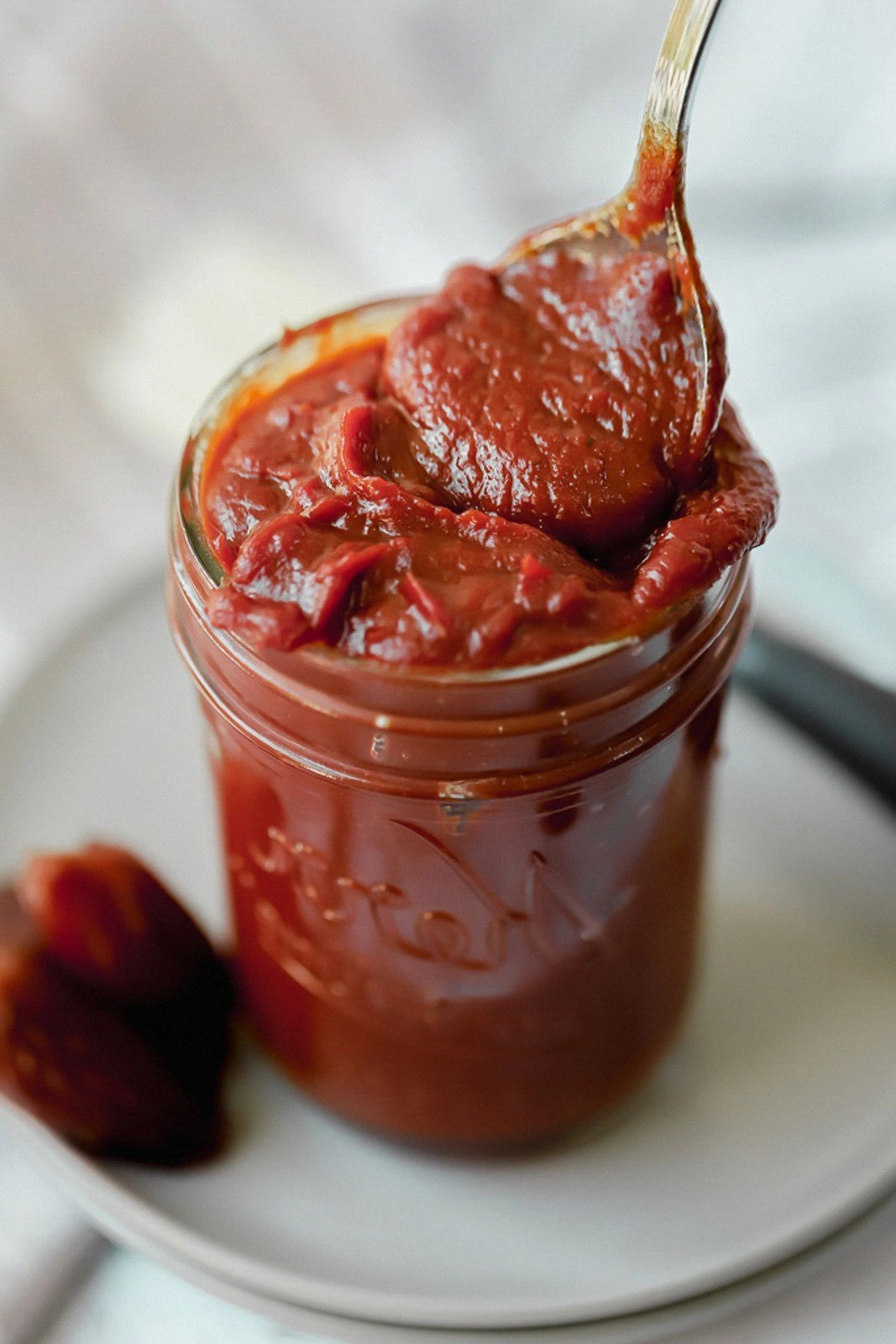
- Step 7: Adjust Consistency. If the sauce feels too thick, add a tablespoon of water until it reaches a pourable yet clingy consistency. If it’s too thin, let it simmer a bit longer. The ideal thickness should coat the back of a spoon without dripping. This final tweak ensures the sauce glazes perfectly on meats.
- Step 8: Cool and Store. Transfer the sauce to a heat‑resistant jar or container and let it cool to room temperature. Seal tightly and refrigerate; the sauce will thicken further as it cools. It can be kept for up to a week in the fridge, and it remains flavorful even after a week.
- Step 9: Reheat with Care. To reheat, place the sauce in a saucepan over low heat and stir until warmed through. Add a splash of water if it becomes too thick. Avoid high heat to preserve the sauce’s texture and flavor. Reheating should take no more than 5 minutes.
- Step 10: Serve. Drizzle the sauce over grilled meats, use it as a dipping sauce for veggies, or toss it with roasted potatoes for a burst of flavor. The sauce’s versatility means it can accompany anything from ribs to tofu. Serve it warm, and watch the compliments roll in.
That’s it — you did it. But hold on, I’ve got a few more tricks that'll take this to another level. You’ll notice that the sauce can be tweaked for different flavor profiles, and a few small adjustments can elevate it from good to unforgettable.
Insider Tricks for Flawless Results
The Temperature Rule Nobody Follows
Many cooks think any simmer will do, but the key is maintaining a low, steady heat. A gentle simmer allows the sugars to caramelize slowly, building depth without burning. If the heat is too high, the sauce can develop a bitter edge that masks the natural sweetness. Keep the temperature below 180°F and use a thermometer for precision.
Why Your Nose Knows Best
Smell is your most reliable guide when cooking. The sauce should emit a sweet, tangy aroma with a hint of spice. If you notice a metallic or burnt smell, stop the heat immediately. Your nose will tell you when the sauce is perfectly balanced.
The 5-Minute Rest That Changes Everything
After you finish simmering, let the sauce sit for five minutes before transferring it to a container. This brief rest allows the flavors to meld and the sauce to settle, resulting in a more cohesive taste. The sauce will also thicken slightly, making it easier to glaze meats.
Use a Heavy‑Bottomed Pan
A heavy pan distributes heat evenly, preventing hot spots that can scorch the sauce. It also helps maintain a steady simmer, which is essential for a smooth finish. If you don’t have a heavy pan, use a stainless steel pot with a thick bottom.
Add a Touch of Citrus Zest
A small amount of orange zest can elevate the sauce’s brightness and add a subtle citrus aroma. Add the zest during the last five minutes of simmering to preserve its fresh flavor. It’s a simple tweak that can make the sauce feel more vibrant.
The Final Glaze Trick
When brushing the sauce on meats, let it rest for a minute after brushing. The sauce will set into a glossy coating that protects the meat from drying out. This technique is especially useful for ribs and chicken thighs.
Creative Twists and Variations
This recipe is a playground. Here are some of my favorite ways to switch things up:
Smoky Chipotle Version
Swap the cayenne pepper for chipotle powder and add a dash of smoked paprika. The result is a deep, smoky flavor that pairs wonderfully with pork ribs. The heat is more complex, with a subtle earthiness that lingers on the palate. This version is perfect for a fall barbecue.
Herb‑Infused Citrus
Add fresh thyme and rosemary during the simmer. The herbs bring an aromatic layer that complements the orange juice. The sauce becomes bright and herbaceous, ideal for grilled chicken. The herbaceous notes balance the sweetness nicely.
Spicy Pineapple Twist
Blend in a handful of fresh pineapple chunks before simmering. The tropical sweetness pairs with the cayenne for a playful, fruity heat. This variation works great on seafood or grilled shrimp. The pineapple also adds a subtle acidity that brightens the sauce.
Mild Sweet & Sour
Replace the cayenne with a mild chili pepper and add a splash of apple cider vinegar. The result is a gentle, sweet‑sour sauce that’s great for family dinners. The apple cider adds a subtle fruitiness that complements the dates. This version is perfect for picky eaters.
Chocolate‑Infused BBQ
Stir in a tablespoon of unsweetened cocoa powder during the simmer. The chocolate adds depth and a slightly bitter undertone that balances the sweetness. It’s an unexpected but delicious twist that pairs well with beef. The cocoa also gives the sauce a rich brown hue.
Garlic‑Garlic‑Garlic
Add two cloves of minced garlic to the sauce at the beginning. The garlic infuses the entire batch, giving it a robust, savory foundation. Garlic also enhances the overall umami profile, making the sauce more complex. This version is ideal for those who love a bold, garlicky flavor.
Storing and Bringing It Back to Life
Fridge Storage
Transfer the cooled sauce to an airtight container and refrigerate for up to a week. The sauce will thicken as it chills, so stir before serving to restore its pourable consistency. Keep the container in the back of the fridge to avoid temperature fluctuations that could affect texture. The flavor will stay vibrant for several days.
Freezer Friendly
Divide the sauce into single‑serving portions and freeze in a freezer‑safe container. It will keep for up to three months, preserving both flavor and texture. When ready to use, thaw overnight in the fridge and gently reheat on the stove. The sauce remains silky and glossy after freezing.
Best Reheating Method
Reheat the sauce over low heat, stirring constantly until it reaches the desired temperature. Add a splash of water or a teaspoon of coconut aminos if it becomes too thick. Avoid boiling, as high heat can break down the sauce’s structure. Reheated sauce should be poured directly onto grilled meats for a fresh glaze.